Avoid your inquiry is delay response, please enter your WhatsApp/Skype along with the message, so we can contact you at the very first time.
We will reply you within 24 hours. If for urgent case, please add WhatsApp/WeChat: +8615063007107,. Or call 0086-15063007107 directly.
You need a granite slab that looks beautiful and lasts. But showrooms, slabs, and specs can overwhelm. Use a simple, proven checklist to pick the granite that fits your space, timeline, and budget.
To choose a granite slab, view full slabs under good lighting, check thickness and structural soundness, confirm finish and porosity, match the granite to your kitchen cabinets and room lighting, plan seam layout on the exact slabs, and verify stock, lead time, and fabrication support. Bring granite samples home before you buy.
As a professional stone manufacturer and supplier, we support contractors, project developers, importers, and wholesalers with bulk procurement, custom fabrication, and dependable logistics. The guidance below reflects field experience in selection, templating, seaming, and finishing granite at scale.
When evaluating granite for kitchen countertops, start with structure. A quality granite slab has consistent thickness (commonly 2 cm or 3 cm), minimal fissures in high-stress zones, and even density across the slab. True granite (an igneous natural stone) is hard, stable, and well-suited to busy spaces. In our fabrication shops, we look for granite that holds a crisp edge after machining and accepts a uniform finish without blotches. That tells us the granite will cut cleanly, polish evenly, and install reliably.
Visuals matter too. Examine the color of granite and the granite pattern across the entire slab—not only a small granite piece. Walk from end to end. You’ll see movement, veining, and speckles change. This is normal; granite comes from quarries with unique geology. The goal is to decide whether the movement suits your room and whether the granite can be book-matched or seam-matched for long runs of countertop.
Quick spec table
| Spec | Typical Range | What it means in practice |
|---|---|---|
| Thickness | 20 mm (2 cm) or 30 mm (3 cm) | 3 cm needs fewer sub-tops and often fewer seams. |
| Slab size | ~2.7–3.2 m × 1.6–2.0 m | Determines if you need two slabs of granite for long runs. |
| Mohs hardness | ~6–7 | Granite is one of the harder surfacing stones. |
| Porosity | Low to moderate | Influences sealing needs and stain resistance. |
Source notes: See general property overviews in Britannica and selection guidance from the Natural Stone Institute.
Performance depends on the type of granite, finish, and density. Finer-grained granite often takes a very crisp polish. Coarse movement granite may have micro-pits; these are typically cosmetic and acceptable in standards for stone countertops. For a hard-working kitchen, we prefer 3 cm granite—less undersupport and a more solid granite feel under hand.
For light commercial kitchens or rental units, choose dense granite with a polished finish for faster cleanup. For residential chefs who dislike glare, a honed finish can diffuse reflections from natural light while staying practical. Each finish changes how granite colors look and how you perceive the same granite across various colors and textures.
Mini chart: finish popularity (sample dealer data)
Polished  ████████████████████████
Honed     ████████████
Leathered █████████
Flamed    ████
Color drives mood. Light granite reflects light and can make the kitchen feel larger. Darker granite adds contrast and drama with stainless or matte black fixtures. If you want classic calm, try neutral colors such as white or beige fields with subtle flecks. If you’re adventurous, colors such as red or blue minerals create a striking island focal point.
Use a large paint stick or a sample door to see the colors against your kitchen cabinets. Hold them on the actual granite slab. Look in morning and evening light. Note the shade you choose in different bulbs—LED warm vs cool. That simple routine beats guessing from small samples of granite.
Color guide (illustrative)
| Family | Example | Visual Effect | Notes |
|---|---|---|---|
| Light & Speckled | River White Granite | Airy, clean, versatile | Great with oak or white shaker. |
| Deep Galaxy | Black Galaxy Granite | Bold, modern, reflective | Pairs with brushed brass. |
| Warm & Rich | Bordeaux Granite | Lively movement | Works with walnut millwork. |
| Subtle Pearl | Pearl Granite | Soft sparkle | Calming in spa-like baths. |

Walking granite yards or granite showrooms? Bring: tape measure, painter’s tape, cabinet sample or door, flooring sample, and printed layout. Mark sink and cooktop sizes on the slab with painter’s tape. This helps you visualize veining flow across the countertop and island. It also ensures you’re looking at enough granite length to meet your runs without awkward seams.
Ask to view granite outdoors if possible. Sunlight reveals polish quality and uniformity. Photograph the granite next to the cabinet sample; photos help stakeholders decide. When you find a granite you love, tag those specific slabs and note the bundle number. Availability changes quickly, especially for distinctive granite varieties with a limited number of colors in stock.
Pro tip: Always request samples of granite from the very bundle you plan to buy, not a generic lot. Color drift happens between shipments.
Yes—good layout plus skilled fabrication can make two slabs of granite look remarkably cohesive. Start with your longest run and island. Decide where seams can hide (near a corner or appliance). On bold-movement granite, book-matching can create a mirrored vein, while on speckled granite seams may virtually vanish. Share your exact seam plan with the fabricator before deposit.
Seam and thickness quick facts
Example “seam risk” table
| Pattern Type | Seam Difficulty | Typical Result |
|---|---|---|
| Small speckle | Low | Seam nearly invisible |
| Linear vein | Medium | Align flow; minor visual break |
| Wild movement | High | Use book-match; strong visual seam but artistic |
Polished is the most common finish on granite for a glossy, reflective surface that resists stains when sealed. Honed is matte; it softens glare in a bright granite kitchen and hides minor etching better. Leathered adds texture that camouflages fingerprints and crumbs. Flamed is rugged—great for exterior steps where slip resistance matters.
Choosing a finish affects both care and how granite colors look. For family spaces, a leathered finish can be forgiving. For a showpiece island, polished adds depth. Pick the finish first, then evaluate the same granite in that finish to confirm you still love the color and pattern.
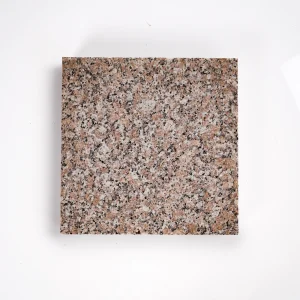
On a spare offcut, perform simple shop tests:
These checks reveal practical benefits of granite in day-to-day life compared to marble and granite alternatives. Remember: granite is a natural stone, so micro-pits or small fissures can be normal and don’t indicate failure in real granite.
Value isn’t just the slab price. It’s dozens of granite decisions across quarry grade, finish, bundle, and fabrication. Ask about:
Illustrative cost components
| Component | Share of Total |
|---|---|
| Slab material | 50–65% |
| Fabrication (cut, polish, edge) | 20–35% |
| Installation & logistics | 10–20% |
Want a quick internal deep-dive on budgeting? See our guide to find the best granite countertops value with smart layout and yield controls: Granite Slab Selection & Budgeting. For builders consolidating buys, our custom fabrication services streamline templates, edges, and site coordination.
On a recent airport concourse project, the GC needed a perfect granite slab look across long runs with minimal seams. We pre-selected bundles, mocked seam positions digitally, and delivered matched granite sets with sequential numbering. This reduced install time by 18% and change orders to zero. That kind of planning is why many teams ask us to choose the perfect granite alongside them.
For a hotel lobby, the designer wanted granite in various colors—a calm field with dynamic inserts. We paired a light, beautiful granite field with accent inlays similar to colors like bronze and charcoal. The choice of granite delivered durability with the luxury feel they needed—exactly the granite that best matches the brand palette.
“We rely on manufacturers who understand schedules. Their bundles arrived labeled to our cut sheets. Installation was smooth.” — Senior Project Manager, Hospitality Build
How do I pick the right granite color for busy family spaces?
Start with function. If you cook often, speckles hide crumbs better than uniform fields. Use your door sample to see the colors on the granite slab and confirm the right granite color in morning and night lighting.
Are there types of granite countertops that don’t need sealing?
Dense granite with a tight grain may need less frequent sealing, but most granite benefits from periodic sealers. Ask for absorption data and test with a few water drops.
What’s the difference between granite and marble in day-to-day use?
Granite and marble differ: granite is harder and usually less prone to etching from acids. Marble is softer but offers a classic look. For a heavy-use kitchen or bathroom, granite is often the option for kitchen countertops with the least maintenance.
Can I find pure white granite?
Natural granite rarely comes pure white; many “white” slabs are off-white with gray or taupe movement. You can find pure white granite lookalikes in engineered materials, but if you prefer true granite, expect subtle mineral variation.
What if I’m choosing a granite for outdoor kitchens?
Pick UV-stable, dense granite with a textured finish like flamed or leathered. Confirm slip resistance on edges and tops.
Do I need one granite bundle or more?
Large projects may require multiple bundles. Keep them from the same lot to maintain continuity. That way, the color of your granite remains consistent across long runs.
When choosing a granite surface, decide first where it will live—kitchen island, perimeter runs, or bath. That location sets durability needs, finish, and thickness. For kitchen use, 3 cm granite reduces sub-tops, helps overhangs, and improves perceived mass. For bath vanities, 2 cm can be efficient and still robust.
Spend time with full slabs. A slab of granite shows the real flow and the granite pattern you’ll live with. Use painter’s tape to sketch sink cut-outs and corner radii on the slab. That reveals how veining interacts with the basin—a small step that yields big satisfaction later.
Types of granite countertops differ in density, absorption, and movement. Finer grains generally polish like glass and are widely used in granite kitchen countertops for their resilience. More open movement can be stunning; it simply needs thoughtful seam planning. Ask your fabricator for a small granite offcut to practice cleaning routines and to feel the finish under task lighting.
We’ve installed granite countertops for your home and for commercial lobbies. Both demand durable edges and consistent polish. Tight production and steady quarry supply keep schedules realistic—key for builders and wholesalers who need predictability from granite suppliers.
Pick a palette first. Start with flooring, then cabinets, then granite. With granite countertop colors, lighter fields brighten the room; dramatic veining adds energy. Hold granite beside flooring and wall paint to spot undertones. Remember: lighter colors can reveal crumbs faster; dark granite (one mention) adds emphatic contrast and hides minor marks.
If you’re unsure, set a practical target: “tips for choosing a calm field for perimeters and a dynamic island.” That one rule curbs decision fatigue and produces balanced spaces.
Preparation leads to confidence. Arrive with:
Walk multiple aisles. Shortlist three favorites (your favorite granite might surprise you in different lighting). For a neutral, see River White Granite in person—it’s popular for its gentle wave. Also review Black Galaxy Granite under bright light; it sparkles with copper flecks. Compare with Pearl Granite for a soft shimmer. (Use internal product pages for deeper specs: River White, Black Galaxy, Pearl).
Great seams come from planning. Mark seam options on your drawings before purchase. Confirm the kitchen countertop overhang, miter choices, and edge profiles. Some granite needs edge supports; others span easily. This is where a manufacturer’s layout software pays off—we can show your seam positions on your exact granite bundle.
If your run requires right granite countertops (once only) across multiple rooms, we’ll pull sequential slabs and match patterns room-by-room to keep the story consistent.
Each finish changes both performance and appearance. Polished repels spills best after sealing. Honed is subtle and sophisticated. Leathered hides smudges. Exterior steps often use flamed for slip resistance. The granite surface you pick should match traffic levels and cleaning habits in the kitchen and adjacent spaces.
We also pair finish to edge. For a modern scene, a flat eased edge on a honed granite shortens visual height. For classic kitchens, an ogee on polished granite adds depth.
To validate granite, we do quick shop tests noted above. Add a lemon-juice dot to check for visible etching over 10 minutes (many granite slabs are resistant, but testing gives peace of mind). Verify absorbency by a timed water drop; darker spots fading within minutes indicate normal porosity.
If you want a heritage, organic feel, tell your team you prefer the look of like granite with gentle movement. Avoid chasing “perfect” uniformity that can read synthetic. That way you preserve the character of natural stone.
We weigh total value, not just per-square-foot cost. Bundle consistency reduces headaches. Favor suppliers with new granite flow so you can add matching pieces later. Ask for quarry origin, bundle IDs, and hold times. For wholesalers, consistency lets you maintain a dependable display of granite across a stable colors range.
If schedule is tight, we’ll help choose the right (once only) bundle that balances beauty with immediate availability. That approach shortens timelines and protects budgets.
Because we stock and fabricate, we can help find a granite that aligns with spec and logistics. Our team supports templating, cut files, and crate-by-room shipping. For multi-building work, sequential granite pallets ensure each unit gets matching granite parts without confusion.
When teams ask for the best granite (once only) match to a national prototype, we provide side-by-side boards from the same quarry line so granite colors look consistent across markets.
Is black granite hard to keep clean?
A single wipe usually removes fingerprints; a leathered finish disguises smudges. We’ve installed black granite (once only) in café counters with success—finish selection is key.
Can I mix granite and marble in one home?
Yes. Use granite in heavy-use areas and marble in lighter-use spaces. That mix delivers both durability and luxury.
How many slabs do I need?
Measure your runs. Large islands often require one granite slab; long perimeters may need two. Your fabricator will plot seams and overhangs so your granite reads as a single composition.
Will my slab match the sample?
Expect variation. That’s the charm of different granite lots. Always reserve the exact slabs you saw.
You’ve now completed the journey many pros follow to choose the perfect granite countertop (once only) with confidence.

 English
  French
  German
  Russian
  Arabic
