Avoid your inquiry is delay response, please enter your WhatsApp/Skype along with the message, so we can contact you at the very first time.
We will reply you within 24 hours. If for urgent case, please add WhatsApp/WeChat: +8615063007107,. Or call 0086-15063007107 directly.
You want a timeless, luxurious floor. But you’ve heard marble can scratch and stain. Here’s a clear way to weigh the pros and cons and decide if marble floor tiles fit your project—and how to get the best results, fast.
Yes—marble is good for flooring when you value the beauty of marble, natural veining, and long-term appeal. As a flooring material, marble is durable enough for homes and light-commercial spaces, but it is porous. Seal regularly, clean spills fast, and choose finishes (like honed marble) suited to traffic to reduce scratch and stain risk.
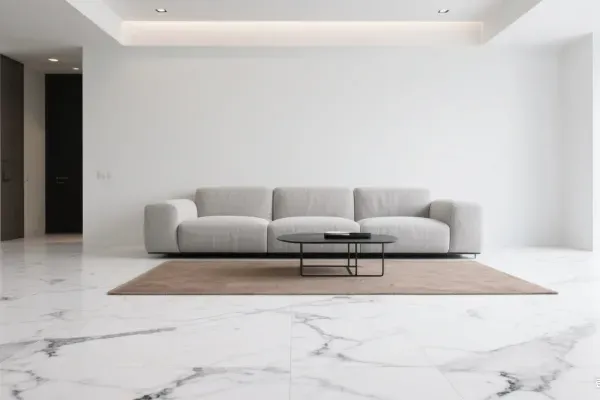
Marble floor
Marble is metamorphosed natural stone formed from limestone under heat and pressure; marble is a natural material with signature veining. That’s why the elegance of marble feels unique—no two marble slabs are the same. When you install a marble floor, the space looks bright, calm, and classic. It’s a popular natural stone for foyers, living rooms, and hotel lobbies.
For buyers comparing tile categories, marble tile offers a luxurious look that’s hard to copy. Less glossy, less polished forms of marble (like honed) soften glare and hide minor wear. If you want to browse style ideas, see our curated selection of luxury marble slabs and tiles (internal resource), then shortlist a type of marble that matches your palette.
Explore luxury marble collection for finishes and patterns. (semantically relevant anchor)
Pros (benefits of marble flooring):
Cons:
Tip: If your project prioritizes a flooring option that is long-lasting and durable, match the finish to traffic, plan maintenance, and specify a stone with suitable density.
Porcelain tile (a ceramic engineered at high temperature) is extremely dense and consistent, often stronger than real marble in abrasion tests. Porcelain tile is less porous and shrugs off stain risks. But marble has unmatched depth and elegance of marble under natural light.
If you need identical pieces across thousands of square feet, porcelain’s consistency helps. If you want authentic marble surfaces that patina gracefully, marble wins. For bathrooms, lobbies, and corridors, both tile floor options work—your flooring choice depends on traffic, look, and care plan.

Marble vs porcelain tile
Some clients ask “marble or granite?” Granite is harder, but marble brings a calm, classic character. Choose by application and design intent; for many interiors, marble is strong enough when properly specified, finished, and maintained.
In high-traffic commercial zones—airports, transit hubs—engineered or harder stone may be preferable vs marble. In refined hotel lobbies or home foyers, marble is hard to beat for visual warmth. The decisive factor is expectations around scratch, stain, routine polish, and sealing.
View our factory display of cutting and finishing lines to understand tolerance control, edge profiles, and finishing quality we deliver at scale.
A classic type of marble is carrara marble—cool white ground with soft gray swirls. White marble brightens small spaces; black marble creates dramatic contrast. Honed marble reduces slipperiness and glare in busy areas; highly polished marble makes a grand statement in formal halls.
Polished marble tiles reflect light beautifully in galleries and ballrooms. For family areas, honed or brushed finishes hide micro-scratch patterns better. Remember: marble is available in many formats—marble floor tile, large rectangles, custom mosaics, stair treads, and wall cladding—so your design and slip-resistance targets can be met.
Compare patterns in the luxury marble gallery.
Market pricing varies by quarry, color rarity, finish, thickness, and logistics. For planning, many commercial buyers model material budgets per square foot along with installation and maintenance.
Indicative ranges (materials only):
| Item | Typical range (USD) |
|---|---|
| Standard marble field tile | $7–$15 per square foot |
| Premium marble selections | $18–$40 |
| Custom cuts / water-jet inserts | Project-specific |
“Price is driven by grade, yield, and finishing steps—not just color name.”
ASCII chart – Relative hardness & water absorption (lower is better for absorption)
Hardness (Mohs): Marble ███████        (≈3–4)
                   Porcelain ███████████████ (≥7–8)
Absorption (%):   Marble ██████
                   Porcelain ██
See how dense, polished blue stone looks in a finished surface: polished blue stone finish.
Use marble where design impact matters: hotel lobbies, retail entries, feature corridors, and home foyers. In the kitchen, choose a honed or lightly textured finish and a robust sealer to limit stain risk. For a bathroom floor, specify slip-resistant finishes and thoughtful tile sizing to increase grout grip. In covered outdoor galleries, certain stones can work for patio flooring—always verify water absorption and freeze-thaw performance.
For kitchens and bathrooms, intelligent detailing (mats, runners, tray zones) protects the marble near sinks. When you use marble, think about lighting: warm LEDs bring out the beauty of marble without glare.
Browse indoor applications and bathroom inspiration to align finish to space.

Where to use marble
Great results start before installing marble. Check substrate flatness, moisture, and movement joints. Dry-lay to balance color and veining. Plan your field setout and border lines, then start tile installation with full-coverage thinset, proper back-butter, and tight lippage control.
Professional marble flooring installation includes seaming, edge polishing, and first seal. When you install marble flooring, align joints to visual axes (doors, windows). Our teams turn raw stone into calibrated panels with precision chamfers and consistent polish so your tile fits neatly and cures correctly.
See our exporter profile for logistics capacity, QA checkpoints, and schedule control across bulk orders.
To minimize scratch marks, add entrance mats and felt pads on furniture. To avoid stain, wipe spills quickly and refresh sealer per manufacturer intervals. Clean with pH-neutral stone cleaner; mop with soft heads. Avoid harsh acids and gritty pads on marble surfaces.
When gloss reduces, a professional polish can refresh sheen. Remember that polished marble shows tracking faster than honed—plan maintenance accordingly. Choosing honed in traffic zones and reserving polish for feature areas is a smart type of flooring strategy.
Yes—marble is durable for retail, hospitality, and corporate lobbies when the specification matches traffic. Select denser varieties, use honed or textured finishes in busy paths, and plan for maintenance cycles (cleaning, sealing, periodic polish). This is standard across natural stone flooring options and high-end stone tile projects.
For long corridors, choose tighter joints and carefully graded pieces. The net result is a marble floor that performs beautifully over years while keeping that luxurious tone.
Internal resource: See a real slab colorway used in kitchens and halls: Pearl Blue slab example. For shop-floor capability, revisit our factory display.
| Property | Marble | Porcelain tile | Ceramic tile |
|---|---|---|---|
| Look | Authentic marble veining, unique | Uniform patterns | Wide variety |
| Porosity | Higher (seal) | Very low | Moderate |
| Scratch resistance | Moderate | High | Medium |
| Stain resistance | Moderate (seal) | High | Medium |
| Repairability | Good (re-polish) | Replace tile | Replace tile |
| Cost | Medium–High | Medium | Low–Medium |
“Specify finish and care plan first; the material then performs to expectations.”
In a recent mixed-use tower, the developer wanted a luxurious entrance but easy care. We supplied honed marble panels for the main tile field and a smaller border in a denser selection. The lobby retains brightness without glare, and daily care is simple—dust mop, damp mop, and periodic sealer refresh.
That’s the secret: the right marble, the right finish, and a maintenance routine aligned to traffic. The marble floor turns a pass-through space into a signature moment.
Is marble slippery in wet areas like a bathroom?
Choose a honed or textured finish for a bathroom floor, specify appropriate mats, and follow grout-line layouts that add traction. Marble works well with the right finish and maintenance.
Can marble handle kitchen spills?
Yes, with a good sealer and prompt cleanup. In a kitchen, honed marble hides micro-scratch patterns better and reduces glare. Avoid acids and use cutting boards.
How hard is marble compared with porcelain?
Marble is softer. Porcelain tile is harder and more abrasion-resistant, while marble offers unmatched depth of color and veining.
How much maintenance does marble need?
Regular dusting, neutral cleaner, periodic sealing, and occasional polish. This routine keeps a marble floor looking fresh and durable.
Can I mix different floor tiles with marble?
Yes. Borders or mosaics in compatible floor tiles can frame spaces, but test for height and slip resistance. Skilled layout and tile transitions are key.
Is installing marble complex?
Professional crews handle layout, calibration, and joint control. Once substrate is ready, installing marble follows standard stone-tile practices with careful tile installation.
(We also recommend visiting our internal galleries and process pages linked above for finish, tolerance, and logistics insights.)

 English
  French
  German
  Russian
  Arabic
