Avoid your inquiry is delay response, please enter your WhatsApp/Skype along with the message, so we can contact you at the very first time.
We will reply you within 24 hours. If for urgent case, please add WhatsApp/WeChat: +8615063007107,. Or call 0086-15063007107 directly.
A beautiful statue can lose detail fast if the wrong stone meets rain, pollution, frost, and daily outdoor wear. Marble looks elegant, but it needs care. Granite gives a stronger, longer-lasting solution for buyers who need beauty, durability, and fewer maintenance problems.
Granite is more suitable than marble for many outdoor statues, memorials, and monuments because granite is harder, denser, less porous, and more weather resistant. Marble is excellent for classical sculpture and fine carving, but granite usually performs better outdoors, especially for headstones, public monuments, landscaping features, and long-term memorial projects.
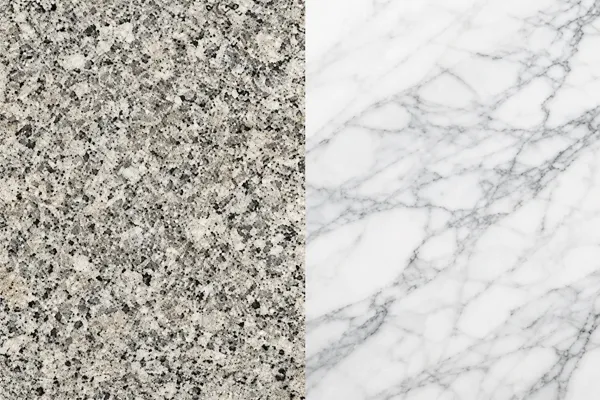
Why Is Granite More Suitable Than Marble for a Statue, Memorial, or Monument?
The key difference between marble and granite starts with how they form. Granite is an igneous rock formed from cooled magma beneath the earth’s surface, while marble is a metamorphic rock formed when limestone changes under heat and pressure. Granite is usually made of quartz, feldspar, and other minerals; marble is mainly calcite. These mineral differences affect hardness, weather resistance, and long-term care.
For a statue, this means marble can be easier to carve into fine facial details, soft robes, and classical shapes. That is why classical marble has been loved for centuries. The elegance of marble is real. It has a smooth, soft glow that many designers still want.
Granite, however, is usually the better choice when the statue must stand outside for many years. It is one of the hardest natural stones used in construction and memorial work. In our experience as a professional stone manufacturer and supplier, granite is often the safer option for outdoor monument, cemetery, civic, and landscaping projects where long service life matters.
A memorial is not a short-term product. It may stand for decades, or even generations. That is why durability is not just a technical word. It protects the memory, the project value, and the buyer’s reputation.
Granite has strong abrasion resistance and weathering durability, which is why it is widely used for exterior cladding, paving, curbs, and architectural stone. The Natural Stone Institute notes granite’s strength, abrasion resistance, and superior weathering performance for exterior use.
For contractors and project developers, this matters on real sites. A granite monument can handle rain, sunlight, wind, dust, and temperature changes better than many softer stones. For bulk memorial supply, you can review our custom granite monument stone solutions for project sizes, finishes, and packing options.
Yes. Marble is still a wonderful stone material for many types of sculpture. It is especially good for indoor statues, museum-style pieces, religious art, hotel interiors, villa decoration, and fine carved work where detail is more important than outdoor strength.
Marble sculptures remain popular because marble has a soft visual depth. White marble looks clean, noble, and timeless. Many artists like it because it is softer than granite and easier to shape by hand or machine.
But marble is less durable than granite in harsh outdoor environments. It can be more porous, easier to stain, and more sensitive to acidic rain or pollution. The USGS explains that acids in polluted air and rain can react with calcite in marble and limestone, causing the calcite to dissolve.
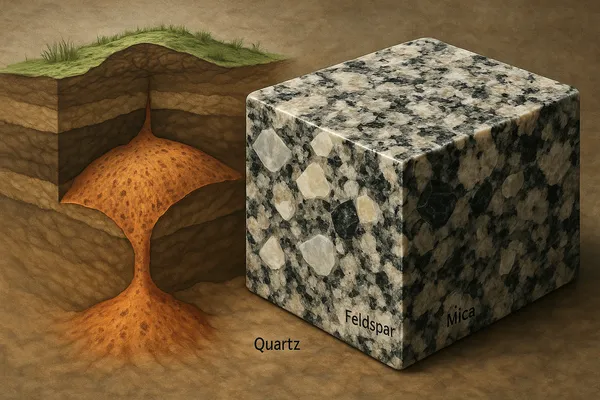
Why Is Granite More Suitable Than Marble for a Statue, Memorial, or Monument?
In most outdoor use, granite vs marble is not a hard decision. Granite usually wins for weather resistance. It is denser, harder, and less reactive to acid rain. Marble can still work outdoors, but it often needs more care and the surface may slowly lose crisp detail.
This is important for public art, cemetery products, garden statues, city monuments, and commercial landscape features. Outdoor stone faces rain, freeze-thaw cycles, sun exposure, cleaning chemicals, dust, moss, and pollution. Over time, these factors expose the key differences between the two stones.
| Factor | Granite | Marble |
|---|---|---|
| Outdoor durability | Excellent | Moderate to good, depending on climate |
| Hardness | Higher | Lower |
| Detail carving | Harder to carve | Easier to carve |
| Acid rain resistance | Better | Weaker because of calcite content |
| Stain resistance | Better when properly finished | More prone to staining |
| Maintenance | Lower | Higher |
| Best use | Memorials, monuments, headstones, exterior statues | Fine sculpture, indoor statues, luxury interiors |
For outdoor civic projects, our granite outdoor statue and monument fabrication service supports CAD drawings, custom carving, surface finishing, and container shipment.
Granite headstones are often preferred because they last longer, need less care, and keep inscriptions readable for more years. A headstone is exposed to rain, sun, soil moisture, cleaning, and seasonal temperature changes. Granite handles those conditions well.
Marble headstones have a classic look, but they can weather faster. Over time, carved letters may become less sharp, and the surface can become rough or stained. That is why many importers and cemetery suppliers now choose granite for long-term memorial programs.
A headstone is a deeply personal product. Families want it to look respectful for years. Wholesalers and memorial contractors also need stable quality. For repeat orders, our bulk granite headstones for memorial suppliers can support standard shapes, custom sizes, polished finishes, engraved panels, and safe export packing.
Granite is harder and usually easier to maintain. This does not mean granite needs no care, but granite is easier to maintain than marble in many public and outdoor applications. With proper finishing and cleaning, sealed granite can resist moisture and dirt very well.
Marble requires more regular maintenance. It may need cleaning, sealing, and careful protection from acidic materials. Marble requires more attention because calcite reacts with acids. Even mild environmental acidity can affect the surface over time.
Here is a simple buyer chart:
| Buyer Concern | Better Choice | Why |
|---|---|---|
| Long outdoor life | Granite | Higher durability and weather resistance |
| Fine artistic carving | Marble | Softer and easier to carve |
| Low maintenance | Granite | Less sensitive and more durable |
| Classical luxury look | Marble | Smooth, bright, elegant appearance |
| Cemetery and memorial supply | Granite | Stronger for repeat outdoor use |
| Large public monument | Granite | Better suited for long-term exposure |
If your project needs both carving and long-term strength, we can help compare granite or marble based on design depth, climate, finish, budget, and delivery schedule.
Sandstone and limestone are also used in some landscape, restoration, and architectural projects. They can create a warm, historic, natural look. However, they are usually softer than granite and may need more protection in heavy outdoor use.
Limestone is closely related to marble in chemistry because both are calcium carbonate stones. This is why acidic conditions can affect both materials. The National Park Service notes that marble and limestone monuments can be vulnerable to acid rain because acidic precipitation can dissolve the calcite matrix.
Sandstone can be useful for garden walls, heritage-style cladding, and landscape features. But for a long-life memorial or a public monument, granite is usually the best stone when the buyer needs strength, low maintenance, and long-term supply consistency. You can also compare our sandstone and limestone landscape stone options for softer architectural styles.
When choosing between granite and marble, start with the location. Will the statue stay indoors or outdoors? Will it face rain, frost, heat, pollution, or heavy public contact? Outdoor use often points to granite. Indoor fine art may point to marble.
Next, look at the design. If the statue has very fine facial detail, flowing fabric, or delicate fingers, marble may be easier to carve. If the design is bold, public-facing, and expected to last for decades, granite is better suited.
A practical rule:
For contractors managing large projects, our custom stone sculpture fabrication service can help check drawings, select blocks, control carving quality, and prepare export packaging.
Importers should not buy granite and marble headstones by photos alone. Ask for material samples, finish samples, thickness tolerances, carving depth, lettering method, polishing standard, packing photos, and inspection reports.
The design of headstones also matters. A simple upright tablet, angel carving, cross shape, book shape, vase base, or full memorial set may need different stone thickness and reinforcement. Granite is stronger, but poor fabrication can still cause problems.
Before bulk production, request:
For stable supply, our granite and marble headstone production support helps importers handle mixed models, custom engraving, container loading, and repeat purchasing.
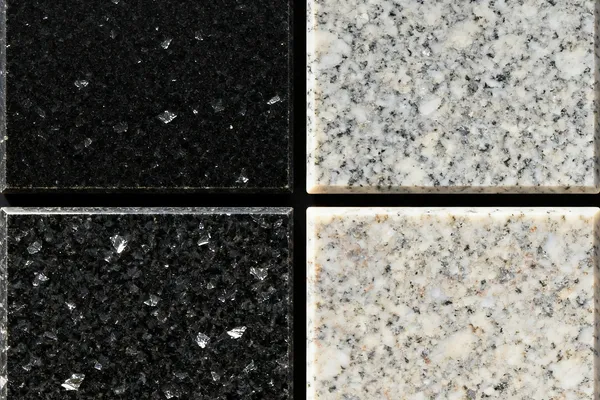
Why Is Granite More Suitable Than Marble for a Statue, Memorial, or Monument?
The difference between marble and granite is not only about appearance. It affects lead time, cutting method, polishing, transport risk, installation, cleaning, and after-sales claims.
The key differences between granite and marble are:
| Item | Granite | Marble |
|---|---|---|
| Rock type | Igneous rock | Metamorphic rock |
| Main use | Monuments, headstones, paving, exterior statues | Sculptures, interiors, luxury decoration |
| Surface feel | Hard and strong | Smooth and elegant |
| Weather resistance | Higher | Lower |
| Maintenance than granite | Lower | Higher |
| Carving difficulty | Harder | Easier |
| Long-term outdoor use | Excellent | Needs more care |
For importers and wholesalers, granite provides a more stable product line for outdoor memorials. Marble still has value, especially when the buyer wants the characteristics of marble: soft veining, warm light, and a refined classical style.
A project developer once needed a group of memorial columns and carved name panels for an outdoor public park. At first, the client wanted marble because of its bright color and clean surface. But the site faced rain, strong sunlight, and public contact.
After reviewing the drawings, we recommended granite for the main columns and name panels. Marble was kept only for a small indoor display element. This gave the project the timeless look the client wanted, while reducing outdoor maintenance risk.
This is what choosing the right memorial stone means in practice. It is not about saying marble is bad or granite is always perfect. It is about matching the right material to the right environment.
A professional stone manufacturer does more than sell blocks. We help you reduce risk before production starts. For statues, monuments, and memorial products, that means checking design feasibility, stone selection, carving method, finish, packing, and shipping schedule.
Our target customers—contractors, project developers, importers, and wholesalers—usually care about three things: quality, delivery speed, and technical support. We build our service around those needs. We can support bulk procurement, custom fabrication, mixed container orders, and long-term supply of premium stone products.
When choosing a memorial stone, you need a supplier who understands both beauty and job-site reality. Granite is strong, but it still needs accurate cutting. Marble is elegant, but it needs careful handling. The right partner helps you avoid mistakes before they become expensive.
Granite is more suitable than marble for many outdoor statues because it is harder, denser, and more weather resistant. Marble is easier to carve and looks elegant, but it can wear faster outdoors.
Yes. Marble is often better for fine artistic detail because it is softer and easier to carve. That is why many classical statues use marble.
Yes, marble headstones are still used, especially for traditional or historic designs. However, granite headstones are more common for long-term outdoor memorial use because they are more durable.
Granite is an igneous rock, while marble is a metamorphic rock formed from limestone. Granite is usually harder and more weather resistant; marble is softer and easier to carve.
For most outdoor monuments, choose granite. It gives better durability, lower maintenance, and stronger weather resistance compared to marble.
Yes, granite can stain if it is not finished or sealed properly, but it is generally more stain resistant than marble. For best results, choose the right finish and follow a simple cleaning plan.

 English
  French
  German
  Russian
  Arabic
