Avoid your inquiry is delay response, please enter your WhatsApp/Skype along with the message, so we can contact you at the very first time.
We will reply you within 24 hours. If for urgent case, please add WhatsApp/WeChat: +8615063007107,. Or call 0086-15063007107 directly.
A beautiful granite floor can impress buyers at first sight. But if the wrong finish is used in wet areas, the floor may become slippery, risky, and costly to replace. The solution is simple: choose the right granite tile finish for the right space.
Yes, granite tiles can be slippery when wet, especially polished granite with a glossy finish. However, honed, flamed, brushed, or textured granite tile can improve slip resistance. For bathrooms, outdoor areas, entrances, and high-traffic areas, choose a honed or textured finish and confirm the project’s required slip rating.
Are Granite Tiles Slippery When Wet? Granite Tile, Floor Finish, and Safety Guide
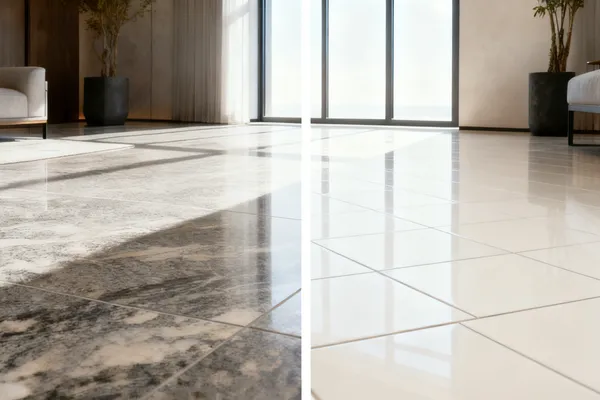
Yes, granite tiles slippery when wet can be a real concern, but the answer depends on the finish, texture, location, and cleaning condition. A polished granite tile can become slippery when wet because the glossy surface gives shoes less grip. A rougher finish provides better traction.
Granite is a popular choice for floors, countertops, stairs, walls, and outdoor spaces because it is strong, durable, and visually rich. The Natural Stone Institute describes granite as an excellent choice for kitchen countertops, floors, and heavily used surfaces due to its durability, longevity, color range, abrasion resistance, and weathering performance.
So, granite can be an excellent flooring choice. The key is not to avoid granite. The key is to choose the best granite finish for the area. As a professional stone manufacturer and supplier, we often guide contractors, project developers, importers, and wholesalers on surface finish before confirming bulk orders.
The finish controls how the granite surface feels underfoot. A polished finish looks bright and glossy. It reflects light well and gives a luxury look. But it can feel slick, especially when wet. That makes it better for countertops, walls, and dry interior floors than for wet floors.
A honed finish is smoother than rough stone but less shiny than polished granite. It has a matte look and better grip. A flamed finish creates a rough texture by exposing the surface to high heat during processing. Brushed, sandblasted, bush-hammered, and litchi finishes can also create textured finishes for outdoor use.
For project buyers, this decision affects safety, cleaning, installation, and long-term value. The same granite slabs can be cut into tiles, steps, paving stone, or countertops, but the finish changes the use. One type of granite may serve a lobby floor, bathroom, garden path, and granite kitchen countertops only if each surface is processed correctly.
Polished granite is not always wrong for floors, but it needs careful placement. In a dry hotel lobby, luxury retail store, or residential hall, polished granite can create a high-end look. It offers strong natural beauty and works well where water is controlled.
In wet areas, polished granite can become slippery. Bathrooms, pool surrounds, open entrances, outdoor stairs, and rainy walkways need more grip. If you’re concerned about granite in these spaces, do not choose polished tile only for its shine. Ask about texture, test results, and surface treatment.
A good rule is simple: polished granite is better for dry beauty zones; textured granite is better for wet movement zones. This helps contractors avoid later complaints and helps importers sell the right product to the right market.
Yes, honed granite is generally less slippery than polished granite because the surface has less shine and more natural grip. A honed finish gives a soft matte look. It is common for modern interiors where buyers want a calm stone surface without a mirror-like shine.
A honed or textured finish provides better footing for many floor applications. It can work well in kitchens and bathrooms when the project also uses smart drainage, rugs, mats, and proper cleaning. For a homeowner, honed granite feels more relaxed. For contractors, it is often a safer interior floor option than a polished surface.
However, honed does not mean “slip-proof.” No stone floor is perfectly safe in every wet condition. Soap, oil, dust, water, and poor maintenance can reduce slip resistance. In wet areas, always combine the right finish with good design.
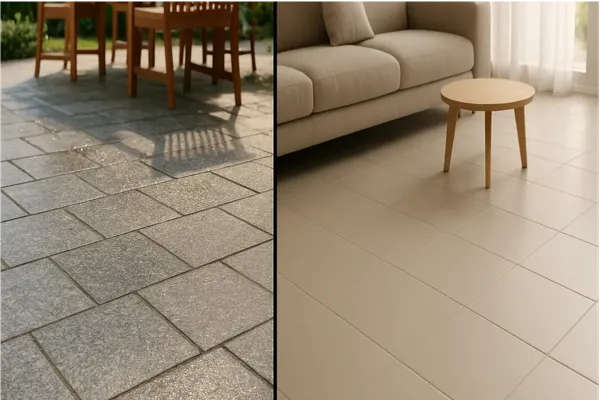
Flamed granite is widely used outdoors because the surface has a rougher texture. This makes it more suitable for outdoor areas, garden paths, plazas, driveways, steps, curbstones, and public walkways. Flamed or textured granite is often the right choice when the floor may face rain.
The Natural Stone Institute notes that granite has long been used for exterior cladding, pavement, and municipal curbs because of strength, durability, abrasion resistance, and weathering performance. That is why many urban infrastructure and landscaping projects choose granite.
For large-scale outdoor projects, textured granite is recommended. Contractors may choose flamed, sandblasted, bush-hammered, or litchi surfaces. These finishes help reduce the risk of slipping, especially when wet, and they also hide small scratches better than glossy surfaces.

Are Granite Tiles Slippery When Wet? Granite Tile, Floor Finish, and Safety Guide
Yes, granite floor tile can be used in a bathroom or kitchen, but the finish and layout must match the use. For a bathroom floor, avoid highly polished stone if the area gets wet often. Choose a honed or textured finish, use proper drainage, and add an anti-slip mat near shower areas.
For a kitchen, granite tile can be a durable surface. Kitchens and bathrooms both face water, grease, soap, and foot traffic. A kitchen floor may need stain control, easy cleaning, and enough grip. A bathroom needs even more care because bare feet and water increase slip risk.
Granite kitchen floors, white granite tiles, and darker granite tiles can all work if chosen well. For bulk projects, we recommend checking the surface sample under real lighting and wet conditions. A tile that looks perfect in a showroom may feel different on site.
Granite is a natural stone. It is cut from real rock, processed into a slab, tile, step, or custom part, and finished for the application. Quartz surfaces are engineered materials, more often used for countertops than outdoor floors. Ceramic and porcelain tile are common flooring materials with many slip-rated options.
For natural stone, each granite tile has unique color and grain. That natural beauty is a big reason many homeowners and developers choose it. Granite is very resistant to normal wear when properly selected, installed, and maintained. The Natural Stone Institute also notes that granite is one of the hardest dimension stone types and has strong scratch resistance compared with many surface materials.
Here is a simple comparison:
| Material | Best Use | Wet Floor Note | Design Feel |
|---|---|---|---|
| Polished granite | Dry interiors, walls, countertops | Can be slippery when wet | Glossy and premium |
| Honed granite | Interior floors, kitchens, some bathrooms | Better grip than polished | Matte and modern |
| Flamed granite | Outdoor areas, steps, paving | Stronger texture | Natural and rugged |
| Quartz | Countertops, vanity tops | Not usually outdoor paving | Clean and consistent |
| Porcelain tile | Interior and exterior floors | Check DCOF rating | Many styles |
For project planning, compare not only price. Compare finish, thickness, slip resistance, availability, packing, and replacement risk.
There are measures you can take if an installed granite floor feels too slick. First, improve cleaning. Oil, soap film, dust, and wax can make any floor slippery. Clean with mild soap and water, then rinse and dry. Avoid leaving residue on the granite surface.
Second, use a rug, mat, or runner in wet entry zones. Choose shoes with rubber soles in commercial or work areas. For public spaces, place mats near doors during rain. These small steps help reduce water tracking.
Third, consider anti-slip treatments. Some surface treatments can be applied to granite to increase grip, but they must be tested first because they may change the look or feel of the stone. A sealant can help protect against stains and moisture, but sealing is not the same as slip-proofing. The Natural Stone Institute explains that sealing can make stone more resistant to everyday dirt and spills, but it does not make stone completely stain-proof or change every performance issue.
Granite countertops are not usually discussed in terms of slipping because people walk on floors, not counters. For countertops, buyers care more about durability, stain resistance, heat resistance, color, edge detail, and cleaning. Granite countertops remain a popular choice because they look natural and last well.
Granite kitchen countertops can be polished, honed, leathered, or brushed. A polished countertop is easy to wipe and gives a bright look. A honed countertop feels softer and more matte. Beautiful countertops often use polished or leathered stone because the finish highlights color and veining.
The Natural Stone Institute states that granite is typically heat resistant up to about 250°C, though direct local heat is still discouraged because strong temperature differences may cause cracking. That means users should still use a trivet under a hot pan. Good stone is strong. Good care makes it stronger.
For tile floors, one important term is DCOF, or dynamic coefficient of friction. ANSI A326.3 describes a test method for measuring DCOF of hard surface flooring materials and gives product use classifications and guidance for manufacturers, specifiers, architects, contractors, building owners, and other professionals.
In the North American tile industry, products recommended for level interior spaces expected to be walked on when wet are commonly referenced with a wet DCOF value of 0.42 or greater under ANSI testing. American Olean summarizes this requirement and also notes that DCOF results help compare product performance but do not guarantee that a slip cannot occur.
For contractors and importers, this is important. Do not rely only on words like “anti-slip” or “safe.” Ask for the test method, application area, finish sample, and project requirement. A hotel bathroom, public plaza, shopping mall entrance, and private kitchen may need different safety levels.
Are Granite Tiles Slippery When Wet? Granite Tile, Floor Finish, and Safety Guide
Before buying granite, project buyers should check the type of granite, finish, thickness, size tolerance, packaging, and lead time. Bulk procurement needs more control than a small home order. A wrong finish can delay a whole floor installation.
Use this checklist:
As Qingdao Tideway Stone Co., Ltd., a professional stone manufacturer and supplier founded in 2001 in Qingdao, we support contractors, project developers, importers, and wholesalers with bulk stone procurement, custom fabrication, and long-term supply. Buyers can review granite tile for indoor and outdoor projects, custom granite slabs for construction and decoration, and natural stone products for commercial projects when planning material sourcing.
Choosing the right finish helps you make an informed decision and reduce project risk. A polished finish works well where beauty matters more than foot grip. A honed finish works well where buyers want a softer indoor look. A flamed finish is better for outdoor areas and wet areas.
| Project Area | Recommended Finish | Why It Works |
|---|---|---|
| Kitchen countertops | Polished, honed, leathered | Beautiful, durable, easy to clean |
| Bathroom floor | Honed or textured | Better grip in wet conditions |
| Outdoor steps | Flamed or bush-hammered | Strong texture for rain |
| Public plaza | Flamed, sandblasted, litchi | Suitable for high-traffic areas |
| Hotel lobby | Polished or honed | Premium look; control water at entrances |
| Garden path | Flamed or natural split | Good outdoor texture |
For importers and wholesalers, this table can also guide stock planning. You may stock polished granite slabs for countertops and flamed granite tile for landscaping or urban infrastructure. A balanced product mix helps you serve more customers.
For bulk buyers, we also support flamed granite paving stone for outdoor spaces, custom stone fabrication for contractors, and granite countertops for commercial and residential projects.
A hotel project needed granite for two areas: a front entrance and guest bathrooms. At first, the developer wanted the same polished granite tile everywhere because the sample looked elegant. But the entrance would face rain, and the bathroom floor would face wet feet.
We suggested a mixed finish plan. The entrance used flamed granite for grip. The bathroom used a honed finish with a smaller tile layout and proper drainage. The vanity tops used polished granite countertops to keep the high-end look.
The result was practical and beautiful. The project kept the natural beauty of granite while reducing slip risk in wet areas. This is the kind of planning that helps stone projects stand the test of time.
Project note: The best stone choice is not always the shiniest one. The best choice is the one that matches the foot traffic, water exposure, cleaning plan, and design goal.
Large stone projects need more than a nice sample. They need stable color control, accurate cutting, reliable packing, fast delivery, and technical support. Contractors need drawings checked. Importers need container loading plans. Wholesalers need repeatable quality.
As a professional stone manufacturer and supplier, we support large-scale construction, landscaping, urban infrastructure, and commercial property development. Our products include granite slabs, granite tile, paving stone, curbstone, marble, landscape stone, decorative stone, porcelain slabs, and custom stone products.
When you are considering granite for wet floors, outdoor areas, kitchens, bathrooms, or countertops, we can help choose the best granite finish for safety, beauty, and cost control. Good sourcing saves time. Good finish selection saves trouble.
Yes, granite tile can be slippery when wet, especially if it has a polished finish. Honed, flamed, brushed, or textured granite provides better slip resistance for wet areas.
Polished granite is not the best choice for most bathroom floors because water can make it slick. A honed or textured finish is safer for a bathroom, especially near showers and sinks.
Flamed granite, bush-hammered granite, sandblasted granite, or litchi-finished granite are often better for outdoor areas. These finishes add texture and help improve grip in rain.
A sealant can help protect granite from stains and moisture, but it does not always make the surface less slippery. For slip control, the finish and texture matter more.
Yes, honed granite is usually less slippery than polished granite because it has a matte surface and more grip. Still, it should be tested for wet or public areas.
Yes, granite can be good for kitchen floors when the right finish is selected. Honed or lightly textured granite is often more practical than a highly polished surface.

 English
  French
  German
  Russian
  Arabic
