Avoid your inquiry is delay response, please enter your WhatsApp/Skype along with the message, so we can contact you at the very first time.
We will reply you within 24 hours. If for urgent case, please add WhatsApp/WeChat: +8615063007107,. Or call 0086-15063007107 directly.
Choosing the wrong kitchen material can raise costs, slow installation, and disappoint buyers. A surface that looks good today may scratch, stain, or feel out of place tomorrow. The right choice starts with one clear comparison: granite vs stainless steel.
Granite is often better for kitchen countertops, high-end aesthetics, natural beauty, and long-term value, while stainless steel is often better for sinks that need light weight, easy cleaning, and fast installation. For stainless steel vs granite sinks, the better option depends on whether you prioritize design, durability, upkeep, budget, or project style.
Granite vs Stainless Steel: Which Sink and Countertop Material Is Better for Your Kitchen?
The honest answer is simple: choice depends on the application. Granite is usually stronger for visual impact, premium countertop design, and long-term project value. Stainless steel offers speed, clean utility, and flexible sink use. So when people ask “which one is better,” the real question is, “better for what?”
For a home kitchen, restaurant support area, apartment project, hotel suite, villa, or commercial property, stainless steel and granite serve different jobs. Granite brings natural stone character, unique color, and a high-end finish. Stainless steel brings a clean industrial look and practical daily use.
As a professional stone manufacturer and supplier, we often guide contractors and project developers through this choice. For bulk procurement, the goal is not only to pick the perfect material. The goal is to choose the best material for the right surface, the right budget, and the right project schedule.
Understanding stainless steel starts with its core strength: it is practical. A stainless steel sink is light compared with stone, easy to install, and common in many kitchen sink projects. It works well in apartments, rental homes, restaurants, and utility kitchens where speed and function matter.
Stainless steel may show scratches and fingerprints, but many homeowners accept this as normal wear. Better gauges, sound pads, and brushed finishes can improve user experience. In sink projects, stainless steel offers a balance of cost, availability, and simple replacement.
For contractors, stainless steel can be a safe option for a fast-moving kitchen package. It is especially useful when the countertop is made from granite, quartz, porcelain, or other materials. In many projects, the best solution is not “all steel” or “all stone.” It is a smart mix.
Granite is a natural stone formed over long geological time. The Natural Stone Institute describes granite as an excellent choice for kitchen countertops, floors, and heavily used surfaces because of its durability, longevity, and wide color range. It also notes that granite is one of the hardest dimension stone types and has strong abrasion and scratch resistance.
This makes granite especially attractive for countertops, kitchen island surfaces, hotel vanities, commercial counters, and stone countertops in premium projects. Each slab has its own veining, mineral pattern, and natural beauty. No two granite slabs look exactly the same.
For developers and wholesalers, this uniqueness can add resale value and stronger design appeal. A polished granite countertop can make a kitchen feel more permanent, more solid, and more premium. That is why many project buyers choose custom granite slabs for kitchen and commercial projects when they want both durability and design value.
When comparing stainless steel vs granite sinks, stainless steel is often the more common everyday option. It is lighter, easier to handle, and more forgiving when pots and pans are dropped into the basin. It also works with many countertop styles.
A granite sink, however, gives a heavier and more refined look. It can match or complement a granite countertop, especially in a luxury home kitchen or villa project. A natural granite sink or granite composite sink can feel more integrated with the overall kitchen design.
The best sink material depends on whether the project values utility, cost, design, or long-term appearance. For high-volume apartments, stainless steel is often practical. For premium villas, hotels, and high-end kitchen spaces, granite can create a stronger design statement.
Granite vs Stainless Steel: Which Sink and Countertop Material Is Better for Your Kitchen?
A granite sink is hard, solid, and visually rich. It can resist daily wear when properly selected and installed. Some composite sinks also use stone particles and resin to create a non-porous surface with good stain resistance. Better Homes & Gardens describes granite composite sinks as made from granite or quartz dust blended with resin, often valued for durability, stain resistance, and modern appearance.
A stainless steel sink is lighter and more flexible in installation. It is usually easier to replace. It also tends to be less likely to break dishes than a very hard stone sink. If a user drops a glass pan into a hard granite surface, the pan may suffer first.
For bulk projects, installers should check cabinet support, sink weight, cutout tolerance, and integrated sinks requirements. A stone sink needs careful fabrication. A stainless steel sink needs good rim quality, gauge control, and soundproofing. Both can work. Poor sourcing makes either one fail.
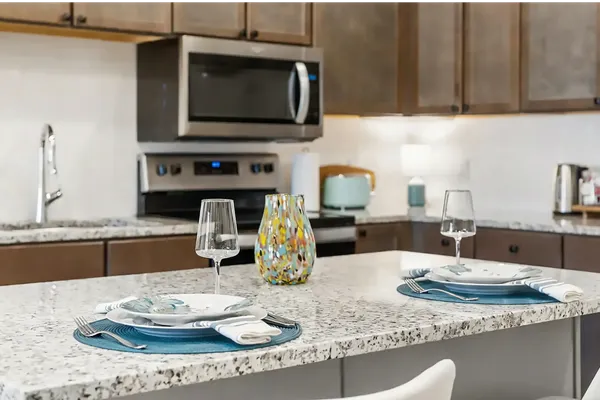
For most residential and hospitality kitchens, granite countertops are usually more attractive than stainless steel countertops. Granite offers warm colors, natural movement, and design depth. Stainless steel countertops feel more commercial, which can be perfect for restaurants but too cold for many homes.
Granite countertops also create a durable surface for food prep, serving, and daily kitchen use. The Natural Stone Institute states that most granites have minerals harder than common utensils, giving granite excellent scratch resistance, and that granite is typically heat resistant up to about 250°C, though direct localized heat is still discouraged.
This does not mean you should cut directly on the surface or place a hot pan in one spot for too long. Good users still use cutting boards and trivets. But for long-term value, granite countertops remain a strong option for your kitchen, especially when the project targets a premium look.
Durability is one of the biggest reasons buyers compare stainless steel vs granite. Granite resists scratch better than many softer surfaces, while stainless steel can develop visible scratches over time. A stainless steel sink may still work perfectly with scratches, but the look changes.
Granite also has good heat resistance, but sharp impacts and sudden thermal shock can damage stone. The Natural Stone Institute warns that direct localized heat sources can create strong temperature differences within stone and may cause cracking.
For stain protection, granite is naturally moisture resistant, but some stones benefit from sealing. The Natural Stone Institute notes that sealing does not make stone stain-proof; it makes it more stain resistant. It also says many granite countertops gain additional benefit from sealing.
| Performance Factor | Granite | Stainless Steel |
|---|---|---|
| Scratch resistance | Very strong for countertop use | Can show scratches and fingerprints |
| Stain resistance | Strong when properly selected and cared for | Generally easy to clean |
| Heat resistance | Strong, but avoid direct thermal shock | Good heat tolerance in sink use |
| Impact behavior | Hard but can chip at edges | Can dent depending on gauge |
| Design value | High natural beauty | Clean and practical |
| Project use | Premium counters, islands, stone features | Sinks, commercial prep zones |
Aesthetics matter. Granite gives a modern kitchen depth, color, and natural movement. A white, black, grey, blue, or gold-toned granite slab can define the whole room. This is why architects often use granite for a kitchen island, reception counter, bar top, or luxury residential surface.
Stainless steel gives a clean, simple, professional look. It works well with modern appliances, industrial kitchens, and minimalist spaces. But too much stainless steel can make a home kitchen feel cold. Granite adds warmth.
For project developers, the design choice should match the buyer profile. Luxury apartments may need a granite surface. Commercial kitchens may need stainless steel work areas. Mixed-use projects may need both. This is where a professional supplier can help compare stainless steel vs granite from a project view, not just a product view.
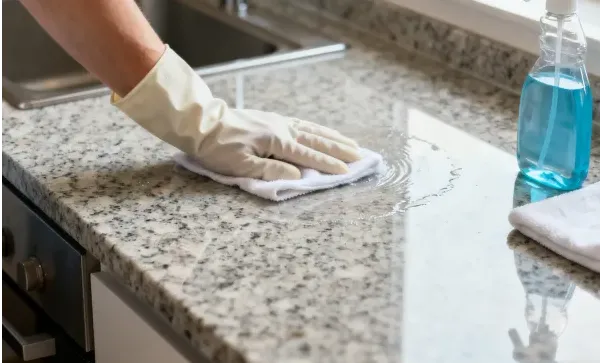
Granite maintenance is simple when users follow the right habits. Clean with mild soap and water, wipe spills, avoid harsh acids, and use a soft cloth. The Natural Stone Institute recommends neutral cleaner, stone soap, or mild liquid dishwashing detergent and warm water for natural stone surfaces. It also warns that acidic products can dull or etch some stones and that abrasive cleaners can scratch certain stones.
For stainless steel, daily upkeep is also simple, but fingerprints, water marks, and scratches may show. A brushed finish can hide some wear. Users should avoid harsh pads that create deep scratches.
For granite, sealing may be useful depending on the stone. Many projects reseal surfaces every few years to prevent staining, but the exact timing depends on stone type, sealer type, use, and water absorption. The best way to protect a granite work surface is regular cleaning, fast spill removal, and correct installation.
Yes. Granite is a strong material for large-scale construction, landscaping, urban infrastructure, and commercial property development. The Natural Stone Institute states that granite has long been used for exterior cladding, pavement, municipal curbs, and heavily used surfaces because of its strength, abrasion resistance, and weathering durability.
This matters for contractors and importers. Granite is not only a kitchen material. It is also used for paving stone, curbstone, wall cladding, stairs, tiles, monuments, landscape stone, and public-space projects. When cut into slabs, tiles, or custom shapes, it can support both indoor and outdoor design.
As Qingdao Tideway Stone Co., Ltd., a professional stone manufacturer and supplier founded in 2001 in Qingdao, we support bulk stone procurement, custom fabrication, and long-term supply. Buyers can source granite products for construction and decoration, natural stone materials for commercial projects, and granite tiles for flooring and wall cladding based on project drawings and quantity plans.

Granite vs Stainless Steel: Which Sink and Countertop Material Is Better for Your Kitchen?
Buying granite for a project is not the same as buying one countertop for one homeowner. Contractors, importers, and wholesalers must think about color consistency, slab size, thickness, surface finish, packing, container loading, lead time, and after-sales support.
Before buying granite, check these points:
For high-end kitchen and commercial interiors, buyers may also need custom granite countertops for bulk projects or luxury marble and natural stone alternatives. Good planning reduces installation risk and protects the final look.
A hotel developer wanted a kitchen material package for serviced apartments. The design team wanted natural beauty, but the operations team wanted easy maintenance. The project compared granite countertop options with stainless steel sink packages.
The final solution used granite countertops for the visible work surface and stainless steel sinks for everyday washing zones. Granite gave the rooms a premium feel. Stainless steel made sink replacement and daily cleaning easier. The result balanced cost, durability, and aesthetics.
This is a common solution. You do not always need to choose one material for everything. The right choice is often a smart combination. Granite for value and design. Stainless steel for practical sink function. Simple. Strong. Buildable.
Large projects need more than beautiful stone. They need reliable supply, fast delivery, technical support, and custom fabrication. A small mistake in slab selection, thickness, edge profile, or packing can delay installation and create expensive rework.
As a professional stone manufacturer and supplier, we support contractors, project developers, importers, and wholesalers with bulk procurement and long-term stone supply. Our work focuses on quality control, project coordination, stone cutting, surface processing, packing, and export support.
For buyers comparing granite with stainless steel, our role is clear. We help you decide where granite brings the highest value: countertops, stone countertops, kitchen island surfaces, cladding, paving, and commercial design features. Then we help you source the right slab, finish, size, and packaging for your market.
Yes, granite is usually better than stainless steel for home kitchen countertops when you want natural beauty, long-term value, and a premium look. Stainless steel countertops are more common in commercial kitchens and industrial-style spaces.
A granite sink is better for design, weighty feel, and a premium kitchen style. A stainless steel sink is better for light weight, easy replacement, and practical daily use. The right choice depends on project goals.
Granite countertops do not scratch easily under normal use because granite is one of the harder natural stone materials. Still, users should use cutting boards to protect the surface and keep knives sharp.
Granite can stain if spills sit too long, especially on more absorbent stones. Proper cleaning and sealing can make the surface more resistant to staining. Sealing helps, but it does not make granite stain-proof.
Stainless steel is easy to clean, but it can show scratches and fingerprints. Granite is also easy to clean with mild soap and water, but it needs proper care and sometimes sealing.
Granite often gives better long-term value in residential, hospitality, and premium commercial interiors because it adds natural beauty, resale appeal, and a durable surface. Stainless steel is better where function and speed matter most.

 English
  French
  German
  Russian
  Arabic
