Avoid your inquiry is delay response, please enter your WhatsApp/Skype along with the message, so we can contact you at the very first time.
We will reply you within 24 hours. If for urgent case, please add WhatsApp/WeChat: +8615063007107,. Or call 0086-15063007107 directly.
Choosing the wrong stone can cause stains, delays, and costly rework. The problem grows when marble, quartzite, and other pale stones look alike. The solution is simple: check the texture, hardness, acid reaction, and supplier documents before you buy.
To identify white marble, look for soft, cloud-like veining, a crystalline surface, and calcite content. Marble usually reacts to an acid test, can etch from lemon juice, and is softer than quartzite or granite. Use simple tests only on an inconspicuous spot, then confirm the stone type with a professional supplier.
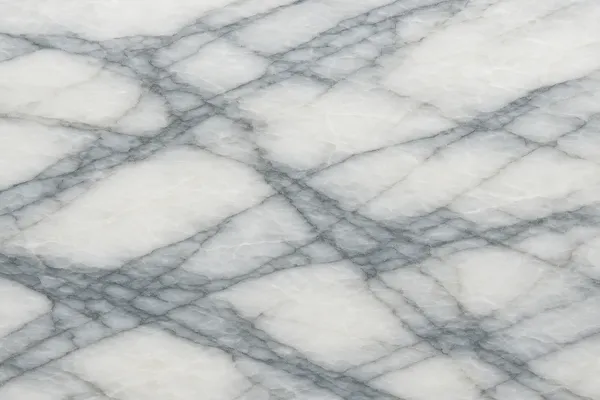
How to Identify White Marble: Simple Tests for Marble, Quartzite, Granite and Natural Stone
Marble is one of the most loved types of stone for luxury interiors, hotels, villas, commercial lobbies, wall panels, floors, and countertops. Its soft shine and natural vein movement make every slab unique. This is why many buyers search for white marble when they want a clean, premium, and timeless finish.
But here is the challenge. Some quartzite, dolomite, onyx, serpentine, and even light granite can look similar at first glance. A polished white stone may look elegant in a showroom, but the real question is: how will it perform on site? As a professional stone manufacturer and supplier, we always suggest checking both beauty and stone type before bulk procurement.
For project buyers, this is not a small detail. Contractors, importers, wholesalers, and developers need stable quality, consistent size, safe packing, and clear technical support. If you need project-ready stone, you can start with our white marble slab collection or compare it with our quartzite stone options.
Marble is a metamorphic rock. In simple words, it begins as limestone or dolomite and changes under heat and intense pressure. During this geologic change, mineral grains recrystallize and form a denser, more crystalline texture. This is why the phrase marble is a metamorphic rock is important for stone identification.
Limestone is sedimentary, while limestone marble has changed from its original form. The main component of marble is calcium carbonate, often in the form of calcite. According to Geology.com’s marble guide, marble is mainly composed of calcite and may also contain mica, quartz, iron oxide, graphite, and other minerals.
This explains why colored marble exists. Various mineral impurities can create grey, pink, yellow, green color, or dark tones. Green marble may contain minerals that change its look, while black marble often gets its color from carbon-rich material. Pure white material is usually linked to fewer impurities, but every quarry block still needs inspection.
A close look can tell you a lot. Real marble often has a soft, cloud-like pattern, gentle veining, and a surface that may show tiny crystals of calcite under light. These crystals can create a sugary sparkle, especially on a broken or unpolished edge.
A vein in marble may be grey, gold, beige, green, or brown. Carrara is known for soft grey movement, while calacatta gold often shows stronger gold veining. Carrara marble is popular for classic interiors, hotel bathrooms, wall cladding, and marble countertops. Still, visual checks alone are not enough.
Use this quick visual guide:
| Feature | Marble | Quartzite | Granite |
|---|---|---|---|
| Main look | Soft veins, cloudy movement | Glassy or sugary grains, strong durability | Speckled mineral pattern |
| Main mineral clue | Calcite | Quartz-rich grains | Mixed mineral crystals |
| Acid reaction | Often reacts or etches | Usually no reaction | Usually more resistant |
| Common use | Floors, walls, vanity tops, feature areas | Kitchen tops, feature walls, heavy-use surfaces | Countertops, stairs, exterior paving |
For B2B buyers, we recommend checking the slab face, edge, back surface, and dry/wet color. Photos help, but physical samples and technical confirmation are better.
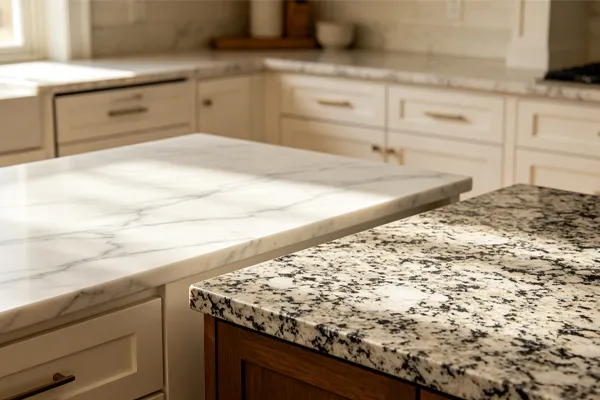
How to Identify White Marble: Simple Tests for Marble, Quartzite, Granite and Natural Stone
The easiest way to tell the difference is to combine several simple tests. Do not depend on color alone. Quartzite and marble can both be white, grey, beige, or gold-toned. The phrase marble and quartzite matters because these two stones are often confused in the market.
Marble is softer and more acid-sensitive. Quartzite is usually harder because it comes from quartz-rich sandstone that changed under heat and pressure. This is why quartzite and marble may look similar, but behave very differently in a kitchen, bathroom, hotel, or public project.
Here is a simple decision chart:
White or light stone?
        |
        v
Does it show soft cloudy veins?
        |
        v
Test hidden spot with mild acid
        |
   Reacts or dulls? ---- Yes ---> Likely marble or limestone
        |
        No
        |
Try scratch check carefully
        |
Very hard and glassy? ---> Likely quartzite or granite
For large projects, ask your supplier for stone name, quarry origin, finish, thickness tolerance, absorption information when available, and recommended use. Our team can also support custom cutting through stone fabrication for commercial projects.
The acid test is useful because calcite reacts with acid. A tiny drop of lemon juice or diluted vinegar on an inconspicuous spot may create fizzing, a dull spot, or an etch mark. This suggests the stone may be calcite marble, limestone, or another calcium carbonate stone.
Be careful. The test can damage the finish. Never do it on the visible center of a polished countertop material. Use the back, an offcut, or a hidden edge. The Natural Stone Institute explains that calcareous stones are acid-sensitive and should be cleaned with mild, non-acidic products.
Travertine and limestone can also react because they contain calcium carbonate. So the acid test tells you the material is acid-sensitive, but it does not always prove the exact stone name. You still need texture, hardness, supplier records, and professional inspection.
A scratch test checks hardness. Marble is softer than quartzite and many granite materials. A knife blade may scratch the stone if it is calcite-rich, while quartz-rich stone is harder to mark. Again, scratch the stone only in a hidden area or on a sample.
This test helps when similar-looking stones are sold under confusing names. For example, some “super white” materials may be dolomite rather than true marble. Some white quartzite has a marble-like appearance but better scratch resistance. Engineered quartz is different again because it is man-made, not a quarried natural slab.
Use this simple field checklist:
For durable commercial projects, some buyers compare granite stone slabs with quartzite and marble before final selection.
Porosity means how easily a stone can absorb liquid. A porous stone may need sealing, especially in kitchens, bathrooms, hotels, restaurants, and high-traffic areas. Porosity also affects stain risk, maintenance cost, and long-term appearance.
A streak, small inclusion, or color band can help identify material, but it can also confuse buyers. Marble may include mica, graphite, iron oxide, or other mineral traces. These inclusions create beauty, but they should not weaken structural integrity for the intended use.
In our factory checks, we look at the front surface, side edge, back mesh, cracks, resin treatment, and polishing quality. For contractors and wholesalers, this matters more than a nice showroom photo. Good stone selection reduces cutting waste, installation problems, and after-sales claims.
White marble is widely used in commercial property development because it creates a bright, calm, and premium space. Common styles include carrara, calacatta gold, volakas-style white, and other shades of white with grey or gold movement.
The history of marble is closely linked to architecture and public buildings. The Lincoln Memorial, for example, uses Colorado Yule marble, according to the U.S. National Park Service. This shows why marble stone is valued as a building stone for long-lasting landmark projects.
However, not every project should use the same material. A hotel lobby wall has different needs from restaurant counters. A bathroom vanity differs from an airport floor. For high-volume procurement, ask your supplier to match the stone with the application, finish, thickness, and maintenance plan.

How to Identify White Marble: Simple Tests for Marble, Quartzite, Granite and Natural Stone
For marble countertops, beauty is only one part of the decision. Buyers should consider etch risk, stain risk, sealing, edge profile, sink cutouts, packing, and installation handling. In a busy kitchen, acidic liquids can mark the surface if the stone is not protected.
For building stone, focus on consistency. Contractors often need repeat supply, matched blocks, stable thickness, and fast delivery. Importers and wholesalers need clean labeling, strong wooden crates, and reliable documentation. Developers need the final look to match the approved sample.
Here is a practical buying table:
| Buyer Type | Main Concern | Recommended Action |
|---|---|---|
| Contractor | Site cutting and installation risk | Request samples, drawings, and packing details |
| Project developer | Visual consistency | Approve slabs by block before production |
| Importer | Bulk quality and lead time | Confirm inspection standards and shipment schedule |
| Wholesaler | Market demand | Stock popular white, grey, beige, and black tones |
| Commercial builder | Durability | Compare marble, quartzite, and granite for each area |
For outdoor or warm-tone design projects, you may also compare limestone slab products and travertine stone solutions.
Good stone care starts before installation. Choose the right finish, apply sealing when needed, and explain daily cleaning to the end user. Marble exposure to acid rain, citrus, wine, vinegar, or harsh cleaners can cause etch marks and surface dullness.
To protect your stone, use neutral cleaners, wipe spills quickly, and avoid acidic cleaning products. Use mats in heavy-traffic areas and coasters in restaurants or bars. For polished surfaces, polishing and professional restoration can help when scratches or dull areas appear.
A simple care rule works well:
“Select the right stone first. Then protect it with the right finish, sealer, and daily cleaning method.”
As a professional stone manufacturer and supplier, we support contractors, importers, wholesalers, and project developers with bulk supply, custom cutting, quality inspection, and technical advice. For project inquiries, you can contact our team through custom natural stone supply support.
A commercial client once wanted a pure white stone for a restaurant bar counter. The design team loved the soft look of white marble, but the site would face wine, citrus, sauce, and heavy cleaning every day. The surface looked perfect, but the use condition was risky.
We suggested testing samples first. The marble sample showed a fast etch reaction, while a quartzite sample had a similar elegant look with better daily resistance. The final choice balanced beauty, maintenance, and budget. The buyer avoided future complaints and reduced long-term service risk.
This is why we do not only sell slabs. We help buyers choose the right stone for the right place.
Look for soft veins, a crystalline surface, and calcite-like sparkle. Then test a hidden spot with mild acid and check hardness carefully. Real marble often reacts to acid and can be scratched more easily than quartzite.
No. Marble can be white, grey, beige, pink, green, or black. Pure white material usually has fewer impurities, but many popular stones have veins, clouds, and mineral movement.
It depends on the project. Marble offers classic beauty, while quartzite is usually harder and better for heavy-use countertops. For a kitchen, many buyers choose quartzite if they want a marble-like look with easier daily use.
Some granite can be light-colored, but it often has a speckled pattern from individual mineral crystals. Granite and quartzite are usually harder than marble and less sensitive to common kitchen acids.
No. Sealing helps reduce staining, but it does not fully stop etching. Acidic liquids can still react chemically with calcite-rich stone and leave a dull mark.
Yes, especially for commercial projects. Test samples, check slab photos, confirm finish and thickness, and approve packing standards. This is the safest way to control quality and delivery risk.

 English
  French
  German
  Russian
  Arabic
