Avoid your inquiry is delay response, please enter your WhatsApp/Skype along with the message, so we can contact you at the very first time.
We will reply you within 24 hours. If for urgent case, please add WhatsApp/WeChat: +8615063007107,. Or call 0086-15063007107 directly.
A poor paver choice can ruin a patio, crack under traffic, or create costly maintenance later. Many buyers compare color first and performance last. The smart solution is simple: understand the three main paver types before you start the project.
The three main types of pavers are concrete pavers, brick pavers, and natural stone pavers. Concrete pavers are known for design flexibility and value, brick pavers for classic color and traditional charm, and natural stone pavers for premium texture, variation, and long-term visual appeal. The best type of paver depends on whether the project is a patio, driveway, walkway, pool deck, or larger commercial outdoor space. Industry references commonly group pavers this way and compare them by appearance, strength, base design, drainage, and application.
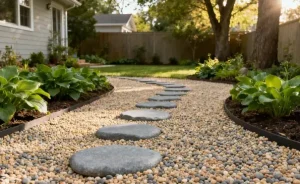
What are the three types of pavers?
Why does the right paver matter for a patio or driveway?
What makes concrete pavers so popular?
Why do brick pavers still stand the test of time?
What makes natural stone pavers a premium choice?
Which paver works best for patios, walkways, and driveways?
Are porcelain pavers and rubber pavers real alternatives?
How do paver design, texture, and finish affect outdoor living?
What should buyers know about paver installation and base preparation?
How should contractors, importers, and wholesalers choose the best pavers?
The three most common types of pavers are concrete pavers, brick pavers, and natural stone pavers. These are the main categories most buyers compare when planning a patio, walkway, driveway, pool deck, or broader landscape project. Brick Industry Association guidance discusses clay pavers as a major paving category, while hardscape industry resources commonly compare concrete pavers with brick and natural stone as the main material groups.
A simple comparison looks like this:
| Type of paver | Core material | Main strength | Common use |
|---|---|---|---|
| Concrete pavers | Manufactured concrete | Design options, strength, value | Patio, driveway, walkway |
| Brick pavers | Fired clay brick | Classic color, traditional style | Patio, walkway, courtyard |
| Natural stone pavers | Granite, limestone, travertine, slate, etc. | Premium appearance, natural variation | Patio, pool deck, luxury outdoor space |
In real projects, the “best” type of paver depends on the job. A heavily used driveway may need a different solution than a garden path. A premium hotel courtyard may need a different surface than a suburban backyard patio. That is why selecting pavers should start with application, not trend.
For project buyers, we often connect this first decision with the available product range. On Tedway Stone, the most relevant starting points are Landscape Stone, Granite Products, and the broader Application page, where outdoor paving and landscape use scenarios are already aligned with B2B projects.
The right paver matters because a patio or driveway must do more than look good. It must handle water, traffic, weather, movement, and wear. A decorative paver that works well in a garden walkway may not be the best choice for a vehicle driveway. CMHA notes that base design and paver system selection should match the application, especially in heavier traffic areas, because poor base preparation can lead to shifting and costly repairs.
Material choice also changes maintenance. Some pavers are more uniform. Some have more natural variation. Some feel modern and smooth. Others look earthy and irregular. A project focused on low maintenance and modular sizing may favor concrete pavers. A project focused on timeless character may lean toward brick pavers. A premium public plaza or courtyard may choose natural stone pavers for a stronger visual identity. Natural stone industry guidance also stresses that stone type, finish, absorption, and application all matter in exterior use.
This is especially important in commercial and wholesale supply. Contractors and project developers are not only buying a surface. They are buying durability, installation predictability, bulk supply stability, and long-term appearance.
Concrete pavers are popular because they offer strong performance, many style options, and good cost control. They are manufactured in controlled conditions, which helps keep size and shape more consistent. CMHA says concrete pavers are made from significantly stronger concrete than typical poured slabs and that they can better handle heavy vehicles and daily wear because of the higher force a concrete paver can withstand before breaking or deforming.
Another advantage is design flexibility. Concrete pavers come in many colors, textures, shapes, and surface looks. Belgard notes that concrete paving stones are available in a variety of colors, textures, and shapes, while Unilock highlights that concrete units can emulate natural stone textures and also support smooth contemporary surfaces.
Concrete pavers work well for:
For buyers who want a modular paving system with many design options, concrete is often the easiest place to start. But it still needs correct paver installation, correct base depth, and the right edge restraint. CMHA’s base-depth guidance makes that point very clearly.
Brick pavers remain popular because they bring a familiar, classic look that many other materials try to copy. They are usually made from fired clay, and Brick Industry Association guidance explains that clay pavers are used in residential and nonresidential pedestrian and vehicular paving systems, with different setting beds and bases chosen according to traffic, drainage, site conditions, and appearance.
One key strength of brick is color stability. Because the color comes from fired clay, brick pavers can keep their look for a long time. Brick Industry Association homeowner resources emphasize their natural beauty, color retention, and low-maintenance appeal.
Still, brick pavers also have limits. Unilock notes that clay brick units tend to have a more limited size range than concrete and may be slightly more irregular in size, which can affect installation straightness and cost.
So brick pavers are strongest when the goal is:
If a client wants a timeless red, brown, or charcoal paving field, brick may still be one of the best pavers available.
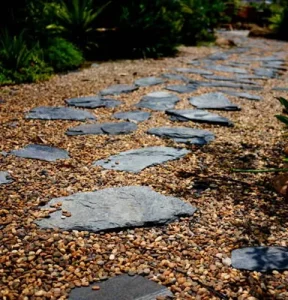
Natural stone pavers are premium because no manufactured unit fully copies the depth, variation, and texture of real stone. Natural Stone Institute notes that common stone varieties used in building and exterior work include granite, limestone, travertine, slate, sandstone, and quartzite, each with its own properties and look.
This matters in outdoor work because different natural stones fit different project goals. Granite is often selected when high durability and lower water absorption matter. Limestone can create a softer, refined visual tone. Travertine is widely used in exterior projects such as patio and pool pavers. Natural stone industry publications also show travertine used for pool copings, step treads, driveway pavers, and outdoor kitchens.
Natural stone is especially strong for:
Premium patio pavers
Boutique hotel and plaza projects
Pool deck design
Upscale outdoor living
Custom paving stone fabrication
Unique, organic project identity
On Tedway Stone, this category aligns directly with Granite Products, the broader Landscape Stone category, and outdoor paving products like Baipo Yellow Paving Stone, which already highlights slip resistance, low water absorption, and high-traffic outdoor use.
There is no single answer, because the best paver changes by application.
For a patio, almost all three main categories can work:
Concrete pavers for broad design options and lower cost
Brick pavers for classic charm
Natural stone pavers for premium visual value
For a walkway, the key is comfort, slip resistance, and pattern control. A flat surface and stable base matter more than simply choosing the most expensive stone. For a driveway, the paver must handle heavier loads, which makes base design and material durability much more important. CMHA stresses that base depth and stable aggregate selection are especially important in vehicular applications. It also warns against rounded base aggregates such as pea gravel or river rock under interlocking concrete paver systems.
A practical selection guide:
| Project area | Usually best-performing choices |
|---|---|
| Patio | Concrete, brick, natural stone |
| Walkway | Brick, natural stone, smooth concrete |
| Driveway | Concrete pavers, durable granite or dense stone pavers |
| Pool deck | Travertine pavers, some natural stone, selected concrete |
| Commercial plaza | Granite, natural stone, engineered concrete pavers |
| Garden path | Brick, flagstone pavers, decorative stone layouts |
This is why the three categories matter so much: each one can succeed, but not in exactly the same way.
Yes, but they are usually secondary alternatives rather than the main three categories. Porcelain pavers are becoming more common because they can be dense, low-porosity, and visually clean. Belgard notes that porcelain pavers are made from dense, high-quality clay fired at high temperature and are valued for weather and wear resistance.
Rubber pavers also exist, especially for play areas, rooftop surfaces, and some lower-impact installations. But in mainstream hardscape discussions, the first three categories buyers compare are still concrete, brick, and natural stone. That is because those three dominate major patio, driveway, and walkway paving markets.
So if your goal is to explain the different types of pavers in the clearest way, start with the three main groups, then mention porcelain or rubber as specialty options when project conditions require them.
A paver is not only a material choice. It is also a design choice. Surface finish changes grip, maintenance, and the final feel of an outdoor space. Smooth pavers help create a modern look. Textured or tumbled finishes create a softer, older, more earthy appearance. Unilock and Belgard both highlight how concrete pavers can be produced in smooth, cobbled, antiqued, and natural-stone-like faces.
Natural stone offers even more variation. Granite can be flamed, bush-hammered, or honed. Some limestone pavers feel softer and lighter. Flagstone pavers often show irregular shapes and a strong natural look. These design options matter because pavers are perfect for creating different moods:
Formal plaza
Warm family patio
Minimalist courtyard
Rustic garden walkway
Luxury pool deck
Durable commercial entry
That is why selecting pavers is never only about price. It is about the right visual language for the space.
Even the best pavers can fail if the base is wrong. CMHA says a proper paver base prevents shifting, uneven surfaces, and costly repairs, and it specifically advises against using rounded or smooth aggregates such as river rock or pea gravel as base material for interlocking concrete pavements.
Brick Industry Association guidance makes a similar point for clay pavers: the paving system must be chosen with traffic, drainage, appearance, and site conditions in mind.
Key installation factors include:
Correct excavation depth
Properly compacted subgrade
Stable aggregate base
Edge restraints
Correct bedding layer
Drainage slope
Material selection for traffic load
Joint filling and maintenance
For B2B buyers, this matters because paver design and installation are linked. A stone supplier is not just selling units. A reliable supplier should also help match the product to the installation requirement.
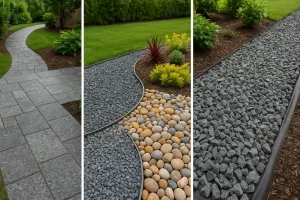
For large buyers, the best paver choice starts with application, quantity, and supply risk. Ask these questions first:
Is the project mainly a patio, driveway, walkway, or pool deck?
Is the client asking for classic brick, modular concrete, or premium natural stone?
Does the job need low maintenance, luxury appearance, or maximum durability?
Is the project residential, commercial, or urban infrastructure?
Does the supplier offer consistent bulk delivery, custom size, and technical support?
As a professional stone manufacturer and supplier, we usually advise buyers to match the material to the project category first, then refine by finish, thickness, slip resistance, and visual style. For exterior paving, many project buyers start from the Application page, then move to product-specific pages like Granite Products, Landscape Stone, and paving products such as Qianfeng Golden Ma Litchi Granite or Karamori Gold Litchi Surface, depending on required texture and project image.
And when the job is ready for pricing or customization, the shortest path is still Contact Us.
What are the three main types of pavers?
The three main types of pavers are concrete pavers, brick pavers, and natural stone pavers. These are the most common categories used for patios, walkways, driveways, and outdoor living spaces.
Which type of paver is best for a patio?
It depends on the look and performance you want. Concrete pavers are versatile and affordable, brick pavers offer classic style, and natural stone pavers provide a more premium appearance.
Are natural stone pavers better than concrete pavers?
Not always. Natural stone pavers usually offer more organic beauty and unique variation, while concrete pavers often provide more design consistency and value. The better choice depends on budget, project type, and desired look.
Are brick pavers durable enough for a driveway?
Yes, clay pavers can be used in vehicular paving systems when the base, setting bed, and project design are selected correctly.
What is the difference between pavers and poured concrete?
Concrete pavers are individual units installed over a prepared base, while poured concrete is placed as a single slab. CMHA notes that concrete pavers function as a semi-flexible system and are often stronger than typical poured slabs.
Are porcelain pavers one of the three main paver types?
Porcelain pavers are a real paving option, but they are usually treated as a specialty alternative. The three main paver groups most buyers compare first are concrete, brick, and natural stone.
The three main paver categories are concrete pavers, brick pavers, and natural stone pavers.
Concrete pavers are known for strength, modular consistency, and broad design options.
Brick pavers are valued for classic appearance, fired-through color, and timeless character.
Natural stone pavers stand out for premium appearance, texture, and material variation across granite, limestone, travertine, and more.
The best type of paver depends on whether the project is a patio, driveway, walkway, pool deck, or commercial outdoor space.
Base preparation and paver installation matter just as much as the paver material itself.
For B2B buyers, the strongest results come from matching the material, finish, thickness, and supply plan to the real project use case.

 English
  French
  German
  Russian
  Arabic
