Avoid your inquiry is delay response, please enter your WhatsApp/Skype along with the message, so we can contact you at the very first time.
We will reply you within 24 hours. If for urgent case, please add WhatsApp/WeChat: +8615063007107,. Or call 0086-15063007107 directly.
A garden can look messy fast—muddy paths, weeds in beds, and designs that feel “unfinished.” That hurts curb appeal and adds maintenance. The solution is using the right decorative stone to create clean edges, stable walkways, and lasting visual interest.
The best decorative stone for garden use depends on function and style. River rock and pebble work well for water features and borders, gravel and pea gravel suit walkways and drainage, and white marble or marble chips give a modern, bright finish for garden beds. Choosing the right size, color, and coverage creates a low-maintenance landscape that lasts.
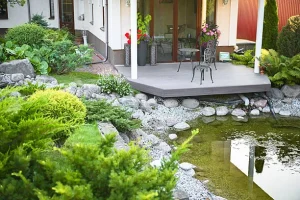
Design Meaning of Stone
Match stone to function: drainage, traction, aesthetics, or structural support—don’t pick by color alone.
Size consistency matters: standard gradations help performance and repeatability (ASTM D448 size classification is widely used).
Permeable designs win projects: gravel bases and permeable pavers can reduce runoff and improve filtration in outdoor areas.
Bulk procurement needs specs: request gradation, color range, finish (polished vs natural), and packing method to prevent disputes.
Fast delivery starts at quarry control: stable inventory + QC sampling improves schedule reliability for commercial landscaping projects.
Best next step: use a simple stone calculator, then confirm sample boards before you lock the order.
As a professional stone manufacturer and supplier, I work with large-scale construction and outdoor landscaping buyers who need reliable bulk supply, consistent quality, and technical support. In this guide, I’ll show you how to choose decorative stones in landscaping so your landscaping project looks great, drains well, and stays easy to maintain.
Why decorative stone changes a garden faster than plants
What are the most popular decorative stones for your garden?
Pebble vs river rock vs gravel: which one fits your landscape design?
Choosing decorative stones by function: walkway, patio, driveway, beds
White marble, black stones, mixed color stones: how to pick color wisely
Polished stones or natural finish: what’s right decorative for your project?
Water features, zen gardens, fire pits: where larger stones work best
How much stone do you need? A simple stone calculator + coverage table
Sustainability, drainage, and outdoor landscaping performance
Bulk sourcing checklist for commercial landscaping projects
Plants take time. Stone gives instant structure. When you add decorative stone, you set borders, define paths, and stabilize soil in garden beds. In real projects, I’ve seen a basic yard transform in a single day because stones “frame” the space and make everything look intentional.
Stone also reduces daily headaches. It can serve as ground cover, helping keep weeds down and reducing splash-back on walls and plants. The result is an outdoor space that looks clean after rain, foot traffic, and seasonal changes—especially helpful for property developers who want a consistent look across multiple sites.
There’s a wide range of decorative choices, but most buyers start with these core families:
River rock: rounded, natural, great for drainage and organic looks
Pebble: smaller, neat surface; excellent for pots and accents
Gravel: practical, stable for paths and drive areas
White marble / marble stones: bright, modern, premium feel
Marble chips: crisp texture for borders and clean visual lines
Crushed stone: angular stones for stability and load support
Lava rocks: lightweight, dramatic color, good contrast
These stones come in various sizes and finishes, which is why one “type of stone” can serve totally different roles in the same landscape.

Is Granite a Crystal or an Igneous Rock
If you’re choosing decorative stones, start with shape:
Pebble (often small and smooth) gives a tidy surface that works well around potted plants and “detail zones.”
River rock brings a relaxed, natural look—river rocks are ideal for drainage channels and water features because rounded edges help flow patterns.
Gravel (especially angular) locks together, making it great for pathways and areas that need stable footing.
A practical tip I use with contractors: if the space is walked on daily, choose more angular stones. If it’s mainly visual or around water, choose more rounded polished river rocks or natural river rock.
A beautiful landscape fails when function is ignored. Here’s how I match stone to use:
Used for pathways / walkway
Choose pea gravel for comfort and a softer step.
Choose crushed stone for stability where carts or wheelbarrows pass.
Patio
Consider paver systems for clean lines and furniture stability.
Use decorative gravel between pavers for texture and drainage.
Driveway
Larger, angular base stones prevent rutting and support load.
A top layer of mixed decorative stone can add aesthetic appeal.
Garden beds / flower beds
Smaller stone improves detail and avoids burying plants.
Pebbles for plants help reduce soil splash and keep things neat.
This is where right decorative stone selection protects budgets: wrong material causes shifting, dust, or fast replacement.
White marble and white stones brighten shaded yards and adds a modern touch, but they can show soil faster after storms.
Black stones hide dirt better and create strong contrast with green plants.
Mixed color stones look natural and forgiving, especially in high-use zones.
For large commercial landscaping projects, I recommend requesting a “range sample” that shows real variation. Natural product color shifts are normal—what matters is controlling the range so every pallet looks consistent.
Finish affects both looks and maintenance:
Highly polished pebbles deliver a premium shine and strong visual interest.
Natural finishes feel more organic and are safer for wet walking zones.
If you need a clean, premium vibe near entrances, polished pebbles work well. For slopes or paths that get wet, natural surfaces provide better traction and support outdoor areas safety.
This is also where technical specs matter in procurement. Consistent size grading improves repeatability. In many markets, aggregate size naming follows standardized sieve-based classifications such as ASTM D448.
Feature areas are where decorative stones for your garden become storytelling tools.
Around water features, river rock and pebble reduce splash marks and guide flow.
In zen gardens, a uniform pebble field creates calm lines and clean geometry.
Near fire pits, choose heat-tolerant stone and keep spacing for cleaning.
For retaining walls and borders, larger, angular stones provide structure.
I often recommend “layered design”: base stability with crushed stone, then a visible decorative layer. That way, the surface stays attractive while the base does the hard work.
Estimating correctly saves money and avoids delays.
Quick coverage guide
| Application | Recommended Depth | Why |
| Garden beds | 1–2 inch decorative | Creates a clean finish, supports weed control |
| Walkway | 2–3 inch decorative | Better stability for foot traffic |
| Driveway top | 2–4 inch decorative | Supports load and prevents ruts |
This planning step is essential for bulk orders because stones available in the right quantity and packing style affects delivery speed.
Modern developers care about runoff and drainage. Stone can support permeable design by allowing water to infiltrate into soil layers instead of running off hard surfaces.
The U.S. EPA describes permeable pavement as a green infrastructure approach that helps reduce runoff by letting water seep through into underlying layers, and it can help filter pollutants.
That’s why gravel bases and permeable pavers are often specified in urban projects seeking better stormwater management.
When you propose stone-based solutions, you’re not just selling aesthetics—you’re offering functional performance.
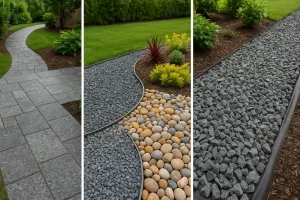
When contractors and wholesalers buy stone in volume, problems usually come from vague specs. Here is my practical checklist:
Specification checklist
Confirm the type of stone and intended use (beds, paths, drainage, feature zones)
Define size range / gradation (ask for sieve or size naming used)
Confirm color range and variation tolerance (sample board approved)
Choose finish: natural vs polished (slip considerations)
Packaging: big bags, pallets, bulk loose, or cartons
Delivery sequence: phased shipments aligned to site schedule
Risk reducers
Ask for photos under daylight + wet condition
Request a small trial order for flagship projects
Lock QC points: sampling per lot, color and size checks
This approach protects timelines and reduces disputes—exactly what project developers demand in long-term supply partnerships.
A developer needed a consistent entry-area look across multiple buildings. We proposed marble chips for border zones, pea gravel for secondary paths, and river rock for drainage strips. The project team reported fewer muddy complaints, faster maintenance, and stronger “premium” curb appeal—without changing the planting plan.
That’s why I call stone “the fastest visual upgrade” in landscaping.
What is the best decorative stone for garden beds?
For garden beds, small pebble, marble chips, or decorative gravel work well because they create a clean surface and support weed control.
Is river rock better than gravel for a walkway?
For a walkway, gravel (especially angular crushed stone) is usually more stable. River rock looks natural but can roll underfoot.
Do white marble stones get dirty easily?
They can show soil more than darker stones. Proper edging and a weed barrier help maintain the bright look.
How deep should decorative stone be laid?
Most garden beds use 1–2 inches; walkways often need 2–3 inches depending on traffic.
Can decorative stones help with drainage?
Yes. Stone layers and permeable surfaces support infiltration and reduce runoff. What should I request when buying stone in bulk?
Ask for size range/gradation, color variation, packaging method, and delivery plan—plus a sample board for approval.
Decorative stone delivers instant structure and lasting curb appeal.
Choose by function first: bed, walkway, drainage, or feature zones.
Pebble, river rock, and gravel each serve different performance needs.
Color and finish choices change maintenance and visual impact.
Use a stone calculator and add extra for settling.
Bulk sourcing succeeds when specs are clear and samples are approved.
If you’re planning a large landscaping project, send your area size, target look (modern, natural, resort, or urban), and delivery schedule. I’ll recommend the perfect decorative stones mix—plus packaging and QC steps—so you can procure confidently and keep the build moving.

 English
  French
  German
  Russian
  Arabic
