Avoid your inquiry is delay response, please enter your WhatsApp/Skype along with the message, so we can contact you at the very first time.
We will reply you within 24 hours. If for urgent case, please add WhatsApp/WeChat: +8615063007107,. Or call 0086-15063007107 directly.
Choosing the wrong tile for a living room can be a long, expensive mistake. A floor that looks great in a sample can turn slippery, dull, or hard to maintain once daily life starts. The solution is to match granite tile finish, layout, and maintenance plan to real living-room use—before you order bulk.
Yes—granite tile can be an excellent choice for living rooms when you select the right finish (often honed or lightly textured), plan proper installation, and use basic sealing and cleaning. Granite is a hard, durable natural stone (an igneous rock) that can handle foot traffic, resist scratch, and keep a premium look for years. But it also has real tradeoffs—like cost, cold feel, and the need to manage stain risk with sealing and smart maintenance.

Granite Is Also Ideal for Outdoor Kitchens
Granite tile in living rooms: why is it a popular choice?
Granite floor basics: what makes granite so durable?
Polished granite or honed granite: which finish is safer for living rooms?
Pros and cons of granite for tile flooring
How to choose granite tiles: size, thickness, texture, and layout
Is granite tile easy to clean and resistant to stains?
Granite in the kitchen and bathroom vs living rooms: where does it perform best?
Install granite the right way: what contractors should check first
Colors of granite and modern interior design: how to match the look
Case study: bulk granite floor tile supply for a commercial living-lobby project
In large-scale projects—commercial property development, clubhouses, premium apartments—granite is a popular choice because it looks upscale and stays stable under daily use. Many buyers also like that granite’s natural beauty is not a “printed pattern.” It’s real stone, with real mineral depth.
From our experience as a professional stone manufacturer and supplier, living rooms often need three things at the same time: visual appeal, long service life, and predictable delivery. Granite tile supports that mix because it can be cut precisely, packed for bulk shipment, and installed as a consistent tile flooring system across many units.
If you manage procurement for contractors or wholesalers, your biggest risk is not the first week—it’s year two. A living room floor that still looks clean after high foot traffic is what wins repeat orders.
Let’s keep this simple. Granite is an igneous rock formed from slowly cooled magma. It’s composed mostly of quartz and feldspar, plus other minerals. That mineral structure is why granite is very resistant to wear and why it’s widely used as a construction stone.
A helpful way to think about it is hardness. General references commonly list granite around 6–7 on the Mohs scale, which helps explain its durability and resistance to scratch in normal home use.
(Not a lab test—just a practical procurement feel based on real sites.)
Ceramic tiles: ████████
Granite floor tile: ██████████
Engineered wood: ██████
Vinyl plank: █████
Why does this matter in living rooms? Living rooms are “quiet damage zones.” People drag chairs. Kids drop toys. Delivery boxes scrape the floor. A strong natural stone flooring material reduces long-term complaints.
Finish changes everything.
Polished granite = glossy, mirror-like, high-end look
Hone (honed finish) = matte/satin, lower glare, more forgiving
Light texture / brushed = better slip resistance, practical for busy spaces
In living rooms, I often recommend honed or lightly textured granite tile for projects that prioritize safety and easy daily care. Polish can look amazing, but it can show dust, footprints, and it may feel slippery in some conditions (especially if the surface gets wet from a spill).
Here’s a practical decision table:
| Room condition | Best finish | Why |
|---|---|---|
| High foot traffic, families, pets | Honed / light texture | better grip, hides small marks |
| Premium lobby-style living room | Polished granite | strong luxury signal, bright look |
| Open-plan living + kitchen | Honed | balances style and safety |
| Humid climates / frequent wet shoes | Textured / honed | reduces slip concern |
If you want that “hotel shine” but still want safety, you can combine finishes: polished as feature zones, honed in walk paths.
This is the section most contractors and importers want, because it helps them sell the decision to owners.
Durability: handles heavy daily use and long-term service life
Natural stone look: each tile has real pattern depth
Resistant to scratches: strong mineral structure helps reduce wear marks
Works across spaces: kitchen, bathroom, entry, and living rooms
Adds value: many buyers see granite as a premium upgrade
Cost: higher than many flooring materials
Cold feel: in some climates, stone can feel cold underfoot
Weight: needs solid substrates and professional handling
Porous reality: stone can absorb if not sealed properly
Surface selection matters: polish vs hone affects slip and cleaning
If you want a single line summary: the pros and cons of granite come down to “premium performance and look” vs “higher upfront cost plus correct installation and care.”
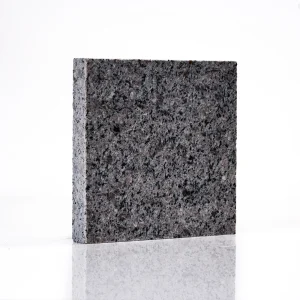
Royal Grey Diamond Polished Granite
If you’re selecting granite tile for a living room project, choose like a project manager—not like a showroom visitor.
Larger floor tiles can create a calmer, more modern interior. Smaller tile can work, but you’ll have more grout lines.
Common choices:
600×600 mm for a clean, modern look
600×1200 mm for premium open living rooms
Custom size for commercial property development and signature designs
For flooring, you typically use tiles rather than a full slab, but slab cutting matters for consistency. A good supplier controls thickness and flatness so installers can keep lippage low.
If your living room connects to a kitchen or exterior, go for a safer finish. Micro-bevel edges can reduce visible chipping and look neat.
There are many types of granite, and color tone can vary between blocks. For bulk procurement, we recommend:
Approving a control sample
Locking the block range
Using consistent sorting standards
This is exactly where a reliable supplier saves your schedule: stable sourcing + fast QC feedback.
Most buyers ask: “Is it easy to clean?” The honest answer: yes—if you keep it simple.
A credible stone care source recommends cleaning natural stone surfaces using a neutral cleaner or mild dishwashing detergent with warm water, then rinsing and drying. That same guidance warns that too much cleaner can leave residue.
Daily/weekly: dry dust mop or vacuum
For marks: warm water + mild detergent, then dry
For spill events: blot quickly, don’t spread the liquid
Granite is often considered less absorbent than some other stone tiles, but it can still be porous. If a stone absorbs, it can stain. That’s why sealing is a common best practice in many projects. Guidance from stone industry sources supports sealing as a way to improve resistance to everyday dirt and spills.
You’ll see granite in kitchens or bathrooms because it’s durable and can be water-resistant with proper sealing. Living rooms are different: they are dry, but they have constant daily use and visible lighting.
In a bathroom, slip resistance and moisture management matter more.
In a kitchen, grease and food spills can increase stain risk.
In living rooms, the top priorities are visual appeal, comfort, and long-lasting appearance.
This is why finish matters so much. A polished surface may look stunning, but it can show dust and reflections. A honed finish may be the ideal material for homes that want a calm look and fewer visible marks.
If a project uses one stone across multiple rooms, I usually suggest:
Honed in the living room
Textured or honed in wet zones
Polished only for feature areas or low-risk zones
Great stone can still fail with poor installation. If you’re a contractor or developer, this section protects your schedule.
Substrate flatness and strength
Correct underlayment and deflection control
Proper adhesive selection for dense stone
Grout line planning for movement and alignment
Many installation guides reference TCNA-type expectations for substrate preparation and structural requirements for natural stone installations.
Poor leveling → uneven tile edges
Rushed curing → hollow sounds and later cracking
Wrong finish in entry-to-living transition → slips and scuff marks
No sealing plan → higher chance of stain complaints
As a supplier, we help reduce these risks by providing cutting accuracy, consistent thickness, packing protection, and technical suggestions for handling and installation. That support matters in large-scale construction.
The colors of granite are one reason it’s an excellent choice for both classic and modern spaces. But selection is not only about color. It’s about pattern scale, lighting reflection, and room size.
Small living rooms: lighter granite can make the space feel bigger
Large open-plan: medium tones hide dust and daily marks
Luxury modern interior: polished black/gray granite creates dramatic contrast
Warm commercial spaces: beige/brown granite adds comfort
When you pick granite floor finishes, also think about:
Furniture legs and felt pads
Rugs (they reduce noise and soften the feel)
Lighting glare on highly polished surfaces
If you want a “safe” procurement color for bulk supply, mid-tone gray granites are often the most forgiving in real life.

Granite
Here’s a real-style scenario we see often with project developers and wholesalers.
A developer needed granite floor tile for a mixed-use property: a lobby-style living lounge plus residential living rooms in premium units. The goal was quality and durability, fast delivery, and consistent color across multiple batches.
One main granite color, locked to an approved range
Honed finish for the main walk paths (safer feel)
Polished feature border at reception lounge zones
Strong packaging to reduce corner damage during transport
Outcome
The developer reduced on-site sorting time and avoided rework from color mismatch. The honed surface also helped keep the floor looking clean under high foot traffic.
This is the difference between buying stone “by price” and buying stone “by project outcome.” Contractors and importers don’t just need materials—they need a partner.
Is granite tile good for a living room with pets?
Yes. Granite is hard and can resist everyday wear. Choose a honed or lightly textured finish to reduce visible paw marks and improve grip.
Does polished granite get slippery in living rooms?
It can, especially if wet or if shoes bring in moisture. If slip is a concern, use hone or a light texture finish in main walk paths.
Do granite tile floors need sealing?
Often, yes—because granite can be porous and sealing can improve resistance to stain from everyday spills. Stone industry guidance supports sealing as a protective step in many cases.
Is granite better than ceramic tiles for living rooms?
It depends. Ceramic tiles can be cost-effective and easy to maintain, but granite offers a higher-end natural look and strong durability. If the goal is premium appeal and long service life, granite often wins.
Can granite be used in both bathroom and living room in one project?
Yes. Many projects use matching stone tiles across bathroom, kitchen, and living areas. Just choose the right finish per room: textured/honed for wet areas, honed or polished for living rooms.
What is the best finish for a modern interior living room?
For most homes, a honed finish gives a clean, modern look with lower glare and easier daily maintenance. Polished granite works best where you want a luxury shine.
Granite tile is a great choice for living rooms when you choose the right finish and plan installation well.
Honed granite often fits living rooms best because it looks modern and hides daily marks.
Polished granite gives a luxury shine but can show dust and may feel slippery when wet.
Granite is a durable natural stone (igneous rock) and can resist everyday scratch and heavy foot traffic.
Seal and clean correctly to reduce stain risk; use mild, stone-safe cleaning methods.
For bulk procurement, control color range, finish consistency, packing protection, and delivery schedule—these decide project success.
If you share your target market (US/EU/Middle East), tile size (600×600 or 600×1200), finish (polish or hone), and estimated quantity, I can draft a “procurement-ready” spec sheet plus a quotation checklist you can send to your contractors and importers.

 English
  French
  German
  Russian
  Arabic
