Avoid your inquiry is delay response, please enter your WhatsApp/Skype along with the message, so we can contact you at the very first time.
We will reply you within 24 hours. If for urgent case, please add WhatsApp/WeChat: +8615063007107,. Or call 0086-15063007107 directly.
Struggling to budget for that luxury stone project? The fluctuating and often opaque pricing of premium marble can derail even the most carefully planned designs, leaving you with compromised quality or an inflated budget. As a contractor or developer, you need cost certainty and a reliable supply chain. Our deep dive into 2026 marble pricing provides the clarity you need to select the perfect slab with confidence, ensuring your project’s success and profitability.
In 2026, the installed cost of marble countertops is expected to range from approximately $60 to over $200 per square foot.[1][2][3] The final price depends heavily on the type of marble, its origin, rarity, and the complexity of the fabrication and installation. For example, common varieties like Carrara marble are projected to be on the lower end, around $60 to $100 per square foot, while rare and luxurious options like Calacatta marble can easily exceed $180 to $250 per square foot for the slab alone.[1][4][5][6]
As a stone manufacturer with decades of experience, I’ve guided countless clients through the selection process. The question of “how much” always comes first, and the answer is never a single number. The price of a slab of marble is a complex equation influenced by a variety of critical factors. Understanding these variables is key to managing budgets for large-scale residential or commercial projects.
Key cost drivers for any marble slab include:
For my fellow industry professionals—importers, developers, and wholesalers—recognizing these nuances is crucial. When we source blocks directly from quarries, we are constantly evaluating these factors to ensure we provide a portfolio of luxury marble that meets diverse aesthetic and budgetary requirements.
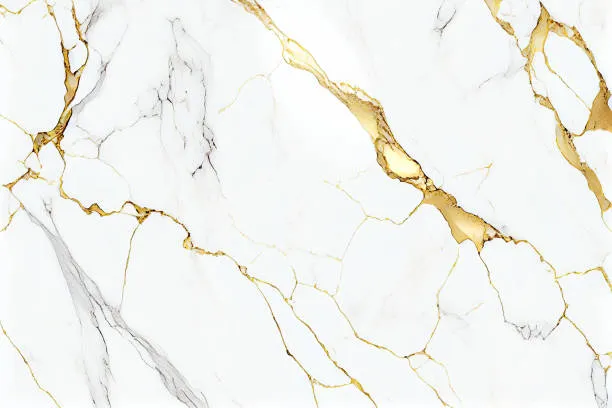
What Factors Affect the Cost of Marble Slabs
Navigating the diverse world of marble can be daunting, especially when each type comes with a different price tag. Below is a breakdown of what you can expect to pay for some of the most sought-after marble varieties in 2026. These prices reflect the installed cost, which includes the slab, fabrication, and professional installation.
| Marble Type | Estimated Cost Per Square Foot (Installed) | Key Characteristics |
| Carrara Marble | $60 – $100 | Soft, feathery grey veining on a white or light grey background.[4][11] Most common and affordable Italian marble.[1] |
| Calacatta Marble | $180 – $250+ | Rare and luxurious.[1][4] Bright white background with thick, dramatic, and high-contrast veining in grey, gold, or brown.[8][12] |
| Statuario Marble | $150 – $200 | Prized for its bright white field, similar to Calacatta, but with distinctive, bold, and flowing grey veining.[1][3] Considered a top-tier luxury stone.[8][9] |
| Danby Marble | $80 – $120 | Quarried in the U.S. (Vermont). Known for its low absorption rate and durability. Creamy white with soft grey veining.[3][5] |
| Emperador Marble | $75 – $110 | A Spanish marble known for its rich brown colors, ranging from light to dark, with fine grains and irregular calcite veins. |
| Makrana Marble | $50 – $80 | A high-quality white marble from India, famously used in the Taj Mahal. Known for its durability and resistance to yellowing.[5] |
These prices are estimates for 2026 and can vary based on the specific slab, supplier, and project complexity.
As a supplier, we see firsthand how these price points affect project decisions. While Calacatta marble commands a premium, its dramatic look creates an undeniable focal point. Conversely, the subtlety and lower cost of Carrara make it a workhorse for achieving a classic, elegant feel across larger surface areas. The key is to balance aesthetic impact with the project’s financial scope.
Yes, generally speaking, the purest white marble slabs tend to be more expensive.[10] The value is often found in the stone’s background color—the whiter and cleaner the background, the higher the price. This is because a pristine white field provides the perfect canvas for showcasing the marble’s unique veining.
Two of the most famous Italian marbles, Calacatta and Carrara, perfectly illustrate this principle. Although both are quarried in the same region of Italy, they have significant differences in appearance and cost.[11][15]
From a supplier’s perspective, securing high-quality Calacatta is a top priority. The demand for that bright, clean aesthetic is consistently high among designers and developers creating high-end spaces. While a beautiful white marble slab of Carrara is a timeless classic, the dramatic artistry of Calacatta places it in a different league of luxury and cost.
Beyond the price of the marble slab itself, the cost of fabrication and installation is a significant part of the total investment. For large-scale projects, understanding these labor costs is essential for accurate budgeting. The average cost to install marble countertops ranges from $10 to $30 per square foot, but this can fluctuate based on several variables.[1]
Here’s a breakdown of what’s involved in the marble countertop installation process and how it affects the price:
As a manufacturer, we partner with skilled fabricators and installers. We understand that a flawless installation is just as important as the quality of the stone. For our contractor clients, we emphasize the importance of using experienced professionals because slabs are heavy and improper handling of a soft stone like marble can lead to costly chips or breaks.[5] Precise templating and expert seam-setting are crucial for the high-end finish your projects demand.
When budgeting for a marble countertop project, it’s a common oversight to focus solely on the price per square foot of the stone and the basic installation. However, several other factors can significantly impact the final invoice. As a supplier accustomed to working on large-scale developments, we always advise our clients to account for these additional marble countertop costs to avoid budget surprises.
Here are some extra expenses to keep in mind:
Planning for these elements from the outset is the hallmark of a well-managed project. By discussing these potential additions with our clients early on, we ensure a comprehensive and transparent budgeting process, fostering the trust needed for a successful long-term partnership.
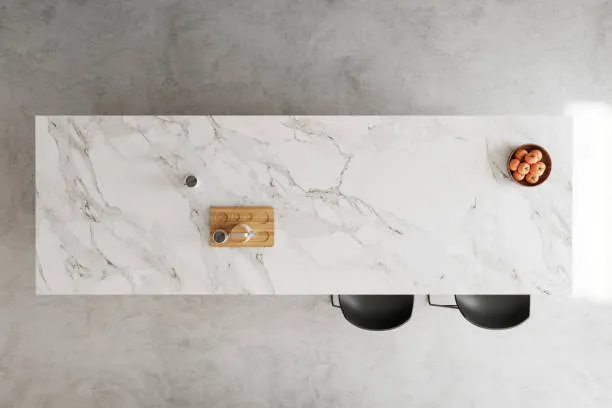
What Are the Additional Marble Countertop Costs to Consider
When selecting a countertop material, the choice often comes down to marble, granite, or quartz. Each offers a unique blend of aesthetics, durability, and cost. As a comprehensive stone supplier, we provide all three, allowing us to offer unbiased insights into their respective value propositions.
Here’s how they stack up in 2026:
| Feature | Marble | Granite | Quartz |
| Average Cost (Installed) | $60 – $200+ per sq. ft.[2] | $50 – $100 per sq. ft.[2] | $75 – $150 per sq. ft.[2] |
| Aesthetics | Unparalleled natural beauty with unique, flowing veins. The epitome of luxury. | Natural stone with a granular, crystalline appearance. Each slab is unique. | Engineered stone with a uniform, consistent appearance. Wide range of colors and patterns. |
| Durability | Softer and more porous than granite. Prone to staining, etching, and scratching. | Extremely durable, resistant to heat and scratches. | Non-porous, highly resistant to stains and scratches. Not as heat-resistant as granite. |
| Maintenance | Requires regular sealing (every 6-12 months) to prevent staining.[12] Spills must be cleaned immediately. | Requires sealing, but less frequently than marble (every 1-2 years). | Virtually maintenance-free. No sealing required. |
| Long-Term Value | Adds significant prestige and resale value, but the cost of upkeep can be higher. | A durable and popular choice that holds its value well. | A modern, practical choice that is highly valued for its low maintenance and durability. |
For our clients—contractors and developers—the choice often depends on the project’s target market. For high-end luxury developments, the timeless elegance and status of marble are often non-negotiable, despite the maintenance needs. The unique artistry of a natural marble slab cannot be replicated.
For commercial applications, upscale rental properties, or family homes, granite and quartz often present a more practical solution. Granite offers natural beauty with enhanced durability, and we supply a wide range of high-quality granite products. Quartz countertops provide the ultimate peace of mind with their bomb-proof durability and consistency, making them ideal for projects where ease of maintenance is a primary concern. The quartz countertops range in price but deliver exceptional performance.
While marble is undeniably a premium material, there are strategic ways to manage costs without compromising on the luxurious aesthetic. As a partner to developers and wholesalers, our goal is to deliver value at every price point. Here are some professional tips to help you save on marble for your next large-scale project.

What Are the Additional Marble Countertop Costs to Consider
For contractors, developers, and importers, the success of a project hinges on more than just material cost—it depends on the reliability, expertise, and capability of your supply chain. Choosing the right marble supplier is a strategic decision that impacts your budget, timeline, and final product quality. As a professional stone manufacturer, we’ve built our reputation on being that trusted partner.
A premier supplier offers far more than just stone; we provide a foundation for your success. We grant you access to an expansive inventory of high-quality marble, including rare and exotic varieties sourced directly from the world’s most renowned quarries. This direct relationship eliminates unnecessary markups and ensures you receive premium, first-choice material for every project. Our state-of-the-art facilities allow for precision fabrication, tailored to your exact specifications, from unique edge profiles to complex, large-format installations.
Moreover, a partnership with an experienced manufacturer means you benefit from our deep industry knowledge. We offer expert guidance on how to choose the right marble for your project, balancing aesthetic goals with performance requirements and budget constraints. Our logistical expertise ensures that your materials arrive on-site, on time, preventing costly delays. We are more than a vendor; we are an extension of your team, committed to delivering the excellence and reliability that your clients demand and your business depends on. Explore our factory and capabilities to see how we can elevate your next project.
What is the most expensive type of marble?
Calacatta marble is generally considered one of the most expensive and sought-after types of marble.[1][4][8] Its high price is due to its rarity, bright white background, and dramatic, thick veining. Some exclusive varieties of Calacatta can cost well over $250 per square foot for the slab alone.
How do I maintain my new marble countertops?
To maintain your newly installed marble, you must be diligent. Clean up spills, especially acidic ones like wine or lemon juice, immediately to prevent etching. Use a pH-neutral cleaner specifically designed for stone. Most importantly, marble requires regular sealing every 6 to 12 months to protect its porous surface from staining.
Can I use marble for a kitchen countertop?
Yes, marble is a classic and popular choice for countertops in kitchens.[7] Its beauty is unmatched, and marble is heat-resistant. However, it is a softer, more porous stone compared to granite or quartz. This means it requires more care, as it can be susceptible to scratching, etching, and staining. With proper sealing and maintenance, marble countertops can last a lifetime.
How thick should a marble slab for a kitchen countertop be?
The industry standard thickness for a marble kitchen countertop is 3 centimeters (approximately 1.25 inches). This thickness provides excellent durability and a substantial look without requiring additional support under normal circumstances. While 2cm slabs are available at a lower cost, they often need a plywood substrate and a laminated edge to achieve the desired strength and appearance.
Is honed marble less expensive than polished marble?
The cost difference between honed and polished marble is generally minimal and can depend on the supplier.[13] A polished finish is often the default. A honed marble (matte) finish may sometimes cost slightly more due to the additional processing steps required to achieve the smooth, non-reflective surface.
Does installing marble countertops increase home value?
Absolutely. Marble is widely regarded as a high-end, luxury material. Installing marble countertops, especially in kitchens and bathrooms, can significantly enhance the aesthetic appeal and perceived value of a home, making it more attractive to potential buyers.

 English
  French
  German
  Russian
  Arabic
