Avoid your inquiry is delay response, please enter your WhatsApp/Skype along with the message, so we can contact you at the very first time.
We will reply you within 24 hours. If for urgent case, please add WhatsApp/WeChat: +8615063007107,. Or call 0086-15063007107 directly.
Your landscape budget can disappear fast when rock deliveries arrive late, the wrong size and color show up, or the “cheap” stone fails under foot traffic. Then you pay twice—once for rock, and again for fixes. The solution is simple: choose the cheapest rock for landscaping based on local supply, performance needs, and the right base for drainage.
The most inexpensive landscape rock is usually locally sourced crushed stone (often limestone or crushed granite) or pea gravel—priced per ton and heavily influenced by delivery distance. In many areas, bulk pea gravel can cost about $10–$50 per ton, while other decorative options like river rock often cost much more.
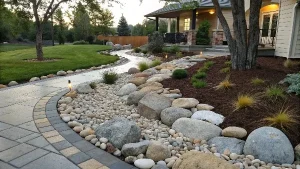
river rock bed with edging
What makes a landscape rock “cheapest” in real projects?
Is pea gravel the cheapest landscaping rock for most homeowners and contractors?
Crushed stone and crush products: why they’re often the cheapest landscaping rocks available
River rock vs crushed stone: which landscape rock offers better value per ton?
Use pea gravel or crushed stone for a walkway or pathway?
Drainage matters: which type of landscaping rock works best for runoff and soil erosion?
Granite, crushed granite, and lava rock: when are “cheap landscaping rocks” not the smart choice?
Beds, flower beds, and garden beds: how to edge and build a long-lasting rock bed
Driveway rock options: what’s the most cost-effective type of gravel per ton?
Landscaping project checklist: choosing the right supplier for bulk stone for landscaping
When someone asks, “What is the most inexpensive landscape rock?”, they usually mean the lowest price tag. But for a landscaping project, the true cheapest option is the rock that gives you the lowest cost installed—including base prep, delivery, and maintenance.
Here are the biggest drivers I see in bids:
Per ton price of the rock (material cost)
Haul distance and truck minimums (delivery is often the silent budget killer)
Depth requirements (a walkway bed might need less than a driveway)
Waste and rework (wrong rock size, poor drainage, no edging)
So yes, the cheapest landscaping rocks are often locally sourced aggregate. That’s why local landscaping supply matters more than fancy names.
My rule: if you can source it locally and it meets your performance needs, it will usually win on total cost.
Pea gravel is a favorite because it’s comfortable, natural-looking, and easy to spread. It’s also often one of the cheapest landscaping choices—especially if you buy in bulk.
Many cost guides estimate bulk pea gravel around $10–$50 per ton (prices vary by region and quantity). Another guide suggests a typical range around $25–$53 per ton with an average around $39 in some markets.
What is pea gravel, exactly? It’s small, rounded stone—often around 3/8 inch, basically the size of a pea. That round shape feels great underfoot. It also supports drainage well because water passes through the gaps.
Great option for patios, paths, and garden beds
Easy to rake and refresh (minimal maintenance)
Can move underfoot (not ideal for steep slopes without stabilizers)
Needs edging or it migrates
If you plan to use pea gravel in high-traffic zones, add a stable base and good edge restraint. Otherwise, it “walks away” over time.
If you want the true “budget champion,” look at crushed stone and other crush products like screenings or road base. These materials come from quarries, and they are produced at high volumes—so they are often the cheapest landscaping rocks available in many regions.
A general pricing guide notes bulk crushed stone and gravel often fall around $10–$50 per ton on average, depending on type and location. Local quarry price lists can show similar “per ton” rates depending on grade.
Why crushed stone wins in so many projects:
It packs and locks well (better for driveway and compacted base)
It supports strong drainage while staying stable
It can be used for paths, beds, and even behind retaining walls
Also, if you’re building commercial jobs, crushed stone makes scheduling easier. It’s usually more available than specialty rock.
Common “cheap” crushed options
Screenings / stone dust
3/8″ or 3/4″ crushed stone
Road base blends
crushed granite in some markets
These are the practical workhorses in types of landscaping that need stability and speed.
river rock bed with edging
River rock looks great. It’s smooth, rounded, and popular for decorative beds and water features. But it’s rarely the “cheapest rock for landscaping.”
One cost source estimates river rock at roughly $60–$170 per ton in many markets. Other pricing summaries put river rock around $45–$130 per ton depending on size and location.
So what’s the value story?
If your goal is cost + function (paths, base, drainage) → crushed stone often wins
If your goal is premium look, fewer sharp edges, and decorative accents → river rock can be worth it
Landscape design is not only cost. It’s also performance and long-term appearance. River rock is often long-lasting and holds color well, but you’ll pay more per ton.
For a walkway or pathway, your choice depends on comfort vs stability.
Pea gravel feels good underfoot and looks natural. It’s a popular landscaping choice for casual garden paths.
Crushed stone locks tighter and stays in place better, especially where there is slope or heavier foot traffic.
If you’re creating pathways for commercial jobs, crushed stone often gives fewer callbacks because it shifts less. If you’re building a soft garden trail, pea gravel can look more natural-looking and inviting.
| Goal | Best pick | Why |
|---|---|---|
| Comfortable underfoot | pea gravel | rounded pebble texture |
| High stability | crushed stone | compacts and “locks” |
| Quick install | both | depends on base |
| Minimal maintenance | crushed stone | less migration |
Both require proper base prep and an edge system. Without edging your garden or path, even good rock drifts.
If you ignore drainage, rock becomes a problem, not a solution.
Rock can help manage:
runoff
puddling near foundations
soil erosion on slopes
moisture in garden beds
The best rock for drainage is usually angular crushed stone (not too fine), because it creates stable voids and doesn’t roll away easily. Pea gravel drains well, but its rounded shape can shift on slopes.
For a bed or trench drain:
Use larger drainage rock under the surface
Use a filter fabric to stop silt migration
Top with a decorative layer if needed
This is where the type of landscaping rock and the base design matter more than aesthetics.
You’ll see granite and crushed granite in many projects. They can be cost-effective in regions where granite is locally quarried. In other areas, it becomes premium due to shipping.
Lava rock is lightweight and can be great for certain landscapes, but it may not be the cheapest option and can shift in windy areas if the pieces are very light. It’s also more about color and texture than load-bearing performance.
This is a helpful “don’t regret it later” list:
Don’t use pea gravel where carts and heavy loads run daily (it shifts)
Don’t use river rock for a driveway base (it rolls and won’t compact)
Don’t pick rock only by color—match it to function first
The best stone for landscaping is the one that fits the job. Cheap becomes expensive when the rock fails.
A rock bed looks clean on day one. On day ninety, it can spread into the lawn if you don’t contain it.
Here’s a simple process we recommend to contractors and the average homeowner:
Excavate to consistent depth (typically 2–4 inches for decorative rock; more for structural zones)
Install weed barrier (if desired)
Add base layer if needed for stability
Add rock layer
Install strong edging (edge) to keep rock in place
Rock is durable and long-lasting, but the border system is what keeps it looking sharp. This is especially important for flower beds and garden beds where you want clean lines.
If you want premium results in commercial landscapes, mix sizes for visual interest, but keep the top layer consistent for a tidy finish.
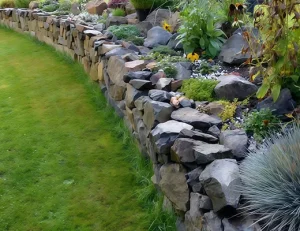
Garden Landscape Stones
A driveway needs stability. The “cheapest” driveway rock is not the smoothest one—it’s the one that compacts.
That’s why crushed stone blends, road base, and certain crushed limestone mixes are widely used. Cost guides often note gravel and crushed stone commonly price by the ton, with bulk pricing typically far lower than bagged material.
For driveways, think in layers:
base layer: larger crushed stone
top layer: smaller crushed stone for finish
If you use rounded rocks like river rock, your driveway will shift. It may look nice at first, then rut quickly.
This is the “Action” part of AIDA. If you’re a contractor, developer, importer, or wholesaler, you don’t just need cheap rock—you need a reliable supplier with repeatable quality and predictable delivery.
As a professional stone manufacturer and supplier, we support:
bulk procurement (per ton) planning
consistent grading and packaging
custom fabrication (copings, steps, edging, and retaining walls components)
technical support for applications (drainage beds, paving bases, decorative zones)
| Item | What to confirm | Why it matters |
|---|---|---|
| Rock type | pea gravel, crushed stone, river rock, etc. | Matches function and budget |
| Gradation | size range, fines %, multiple sizes | Controls compaction and drainage |
| Volume | total tons + phase deliveries | Prevents jobsite delays |
| Logistics | lead time, trucking, palletization | Protects schedule |
| Quality | consistency, wash level, color control | Avoids “different load” complaints |
| Support | install guidance, submittals | Reduces rework |
If you’re deciding on the cheapest rock for landscaping, remember: delivery speed and consistency often matter more than saving a few dollars on paper.
What is the most inexpensive landscape rock overall?
In many regions, locally sourced crushed stone or pea gravel is among the cheapest options, often priced in the tens of dollars per ton in bulk—delivery distance can change the result.
Is pea gravel cheaper than river rock?
Usually yes. Many estimates place pea gravel far below river rock per ton, while river rock is often priced as a decorative premium material.
What’s the cheapest landscaping rock for drainage?
Crushed stone is often the best value for drainage because it stays stable and supports water movement. Pea gravel also drains well but can shift more because it’s rounded.
Is river rock good for a driveway?
Not usually. Rounded rock tends to roll and won’t compact. A driveway typically needs crushed stone blends that lock together.
How do I estimate landscape rock per ton for my project?
Measure area and planned depth, then convert volume to tons (tonnage depends on stone type). Many pricing guides note that a cubic yard can be roughly 1.4–1.5 tons for some stone types, but always confirm with your supplier.
Can you supply bulk stone for large-scale landscaping and infrastructure projects?
Yes—bulk procurement, custom fabrication, and phased delivery support are common for contractors and developers working on commercial property and urban infrastructure projects.
The “cheapest” landscape rock is usually local crushed stone or pea gravel, but delivery and base prep decide the real installed cost.
River rock looks premium but often costs significantly more per ton than pea gravel or many crushed options.
For drainage and stability, crushed stone often outperforms rounded rock in walkways, driveways, and structural beds.
Pea gravel feels great for paths but needs edging and a stable base to reduce migration.
The best results come from matching rock type to function, not just price—cheap becomes expensive when it fails.
For large landscaping project procurement, choose a supplier who can hold grading consistency, support custom fabrication, and deliver on schedule.
If you tell me your location (or target port), application (walkway, driveway, beds, water features), and total tons needed, I can recommend the most cost-effective rock options and a simple bill-of-materials plan for your project.

 English
  French
  German
  Russian
  Arabic
